
Best Cold-Roll Steel Plate Supplier: Ensuring Quality and Precision
2026-05-14
When precision meets durability, cold-roll steel becomes the backbone of innovation. At Sanhe Steel, we don't just supply metal—we deliver the exacting standards your projects demand. Discover what sets a top-tier supplier apart in a market flooded with compromises.
Why Cold-Roll Steel Demands More Than Just Basic Quality Checks
Cold-rolled steel often sits at the heart of precision manufacturing, where surface finish and dimensional tolerances aren’t just boxes to tick—they define whether a component performs or fails. Basic quality checks might catch gross defects, but the real challenges start where standard inspections stop. Factors like residual stress distribution, edge condition, and microstructural uniformity can shift unpredictably from coil to coil, even when the chemistry is spot-on. That’s where a deeper, more investigative approach becomes unavoidable.
Shifting beyond routine checks means interrogating the material in ways that reflect its actual journey through fabrication. For instance, a flatness measurement taken right after uncoiling misses the distortions that emerge after slitting or forming. Similarly, surface roughness values reported at the mill don’t account for how the steel’s skin reacts under specific lubricants or tool pressures. Without a process-aware evaluation—whether that’s bending tests that mimic production steps or full-field strain mapping—designers risk discovering the steel’s limits only after scrap has already been made.
Precision That Shapes Industries: How Our Process Stands Apart
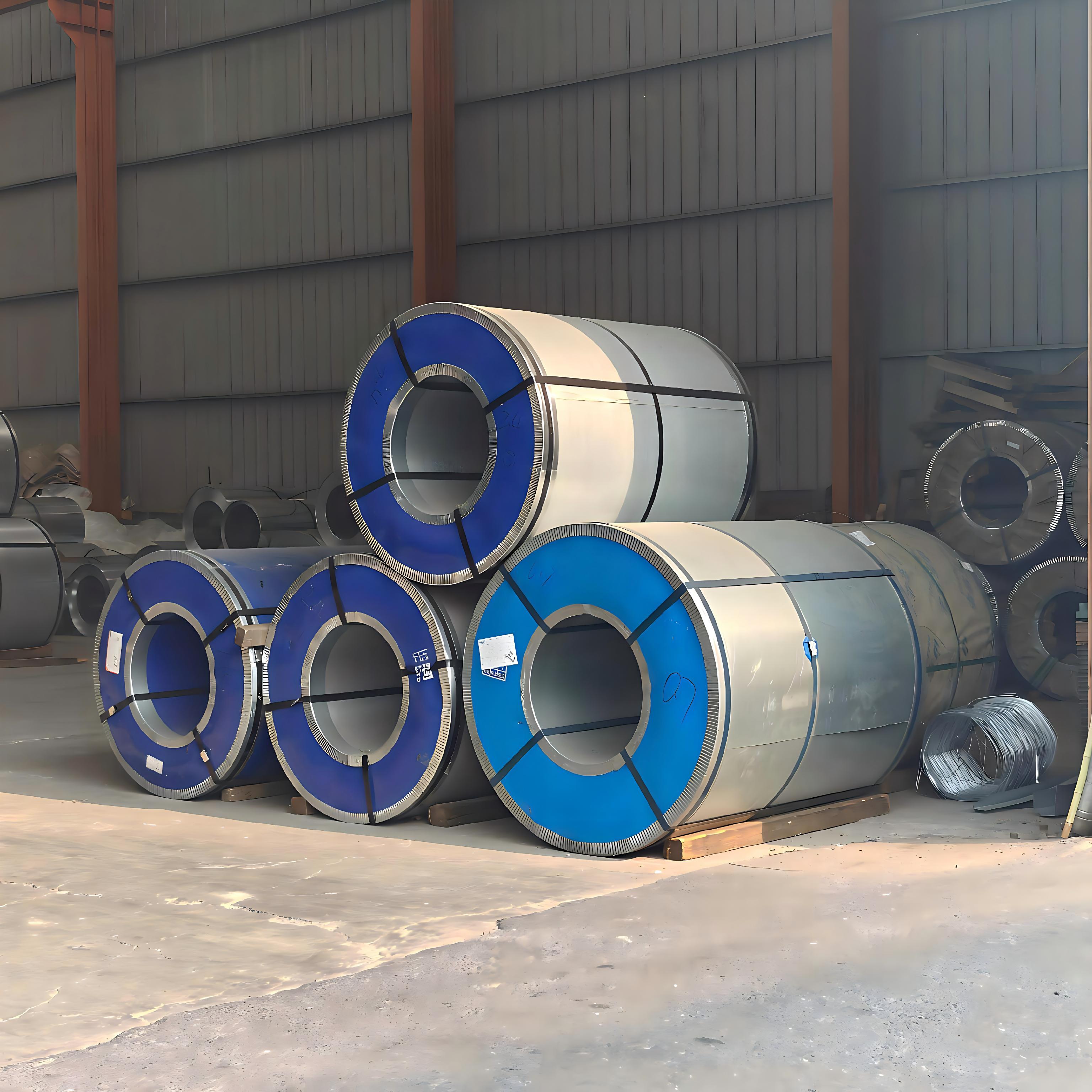
In a world where tolerances are tightening and demands are rising, the ability to repeatedly deliver exacting results isn't just an advantage—it's the baseline. Our approach weaves together advanced metrology, proprietary software, and real-time process adjustments to ensure every component leaves our facility within the narrowest of specified bands. This isn't about chasing a theoretical ideal; it's about building a system where every measurement, every cut, and every finish is captured, cross-referenced, and refined continuously. The result is a level of consistency that transforms how our partners think about quality—not as a final inspection checkpoint, but as a fundamental thread running through every stage of production.
What truly distinguishes our process is how we close the gap between design intent and physical reality. Rather than treating engineering specifications as static targets, we treat them as dynamic benchmarks that inform an ever-evolving workflow. Our technicians pair decades of hands-on experience with adaptive machining strategies that react to material variances, tool wear, and environmental shifts in the moment. This fusion of human expertise and agile automation means we don't just meet the print—we often help redefine what's achievable, making once-difficult geometries repeatable and economically viable. Industries from medical devices to aerospace have found that this capability doesn't just improve a single part; it elevates entire assemblies and, ultimately, the performance of the final product.
Beyond the technical execution, our method embeds a culture of accountability that makes precision sustainable. Every project begins with a thorough feasibility analysis where we challenge assumptions and map out potential failure modes before a single chip is cut. This preemptive mindset, coupled with traceable documentation at every step, creates a transparency that our clients rely on for regulatory compliance and continuous improvement. It's not about simply running tight tolerances—it's about architecting a process where precision becomes predictable, scalable, and constantly advancing. That's how we help shape industries not just for today's standards, but for tomorrow's demands.
Material Consistency You Can Actually Measure in Every Shipment
Consistency isn't a promise—it's data. We put every incoming batch through a battery of physical and rheological tests that go far beyond the certificate of analysis. Think of it as a fingerprint for your material: flow curves, particle size distribution, and moisture content are measured, logged, and checked against a dynamic baseline built from your own historical deliveries. No two shipments are identical, but we make sure the differences never drift outside the narrow band that your process can tolerate.
The real shift happens when you stop fighting variation and start understanding it. That's why we deliver a simple, visual compliance card with each lot—green, yellow, or red—straight to your inbox before the truck even unloads. You see the actual numbers, not just a pass/fail stamp. Over time, this builds a living profile of your supply stream, letting you catch drifts early, adjust upstream, and finally hold suppliers accountable with hard evidence instead of hunches.
What used to take a lab, a week, and a stack of spreadsheets now happens in hours, on the production floor, with a handheld device. Operators swipe a sample, and the analytics engine does the rest. No black boxes, no proprietary indexes you can't verify. Just transparent, repeatable measurements that turn material consistency from a marketing phrase into something your team can actually use.
From Automotive to Appliances: Matching Steel to Real-World Demands
The same factory might send coils to a car plant in the morning and to a refrigerator assembly line by afternoon. That coil destined for an automotive stamping die needs to endure thousands of flex cycles without cracking, while the sheet headed for a washing machine drum has to laugh off years of detergent and damp loads. Engineers don't just pick a generic "steel" off a shelf—they map out tensile strength, formability, and corrosion resistance like a tailor sizing a suit. A door skin demands a different temper than a rocker panel, just as a dishwasher tub asks for something distinct from a visible outer panel.
Appliance manufacturers once settled for basic cold-rolled stock, but rising energy standards and thinner designs forced a rethink. Now you'll find advanced high-strength steels inside seemingly mundane cabinets, allowing thinner walls without sacrificing quiet operation or dent resistance. Meanwhile, automotive teams keep pushing into ultra-high-strength territory for safety cages, but they still need softer grades for complex deep-drawn parts. The trick lies in balancing elongation percentages against yield strength—a dance that plays out differently whether the final product faces road salt or spilled tomato sauce.
This isn't just about chemistry. Surface finishes shift everything: a car hood requires a pristine Class A finish that holds paint flawlessly, while a hidden appliance bracket can get away with a utilitarian phosphate coat. Galvanizing layers matter too—automotive exposed panels often demand dual-phase substrates with tailored zinc coatings, whereas a washer lid might function perfectly with a simpler hot-dip layer. In the end, matching steel to real life means respecting each application's unique cocktail of stress, environment, and cost pressures. It's less about finding the strongest steel and more about finding the right steel.
The Hidden Factors That Make a Supplier Truly Reliable
Beyond pricing and delivery timelines, a supplier's reliability often hinges on less obvious attributes. One critical factor is their problem-solving agility: when unexpected disruptions occur—a material shortage, a logistics snag—does the supplier proactively communicate and offer solutions, or do they simply pass the problem downstream? A truly reliable partner demonstrates resilience by having contingency plans in place and being transparent about challenges before they snowball.
Another subtle indicator is the consistency of their internal processes. Look beyond the polished sales pitch and observe how they handle order confirmations, quality checks, and documentation. A supplier that maintains meticulous records and follows standardized validation steps, even for small orders, signals a culture of discipline. This consistency often correlates with long-term stability, reducing your risk of unexpected quality deviations or administrative errors.
Finally, consider their willingness to invest in the relationship beyond the transactional. Do they take the time to understand your business goals and tailor their approach? A reliable supplier acts as a strategic ally, suggesting improvements, sharing market insights, or even providing flexible payment terms during your growth phases. These relationship-driven actions often separate dependable partners from mere order-takers, building a foundation of trust that withstands market pressures.
Elevating Your Production Line with Steel That Doesn’t Compromise
In an industry where every second of downtime chips away at your margins, the steel you choose can either be the backbone of your operation or its weakest link. We engineer our steel to handle the relentless pace of modern production—whether it’s resisting wear from high-speed stamping or maintaining dimensional stability under extreme thermal cycling. Instead of patching problems with workarounds, you get a material that simply performs, shift after shift, without the nasty surprises that cheaper alloys bring.
But consistency is only half the equation. What sets this steel apart is its refusal to force trade-offs. Need high tensile strength without brittleness? Or corrosion resistance without sacrificing machinability? Our metallurgy sidesteps the usual compromises, giving you a material that bends to your manufacturing demands rather than dictating them. It’s the kind of reliability that frees your engineers to optimize throughput, not troubleshoot material failures.
The result is a production line that hits targets with a kind of quiet confidence. Less scrap, fewer stoppages, and parts that leave the floor right the first time. When steel doesn’t compromise, neither does your output—and that’s the foundation of a reputation your customers will notice.
FAQ
The best suppliers distinguish themselves through consistent precision in thickness tolerance, superior surface finish, and the ability to meet tight dimensional specifications while maintaining competitive pricing and reliable delivery schedules.
They implement rigorous quality control measures at every stage, from sourcing raw materials with precise chemical compositions to employing advanced online inspection systems like laser gauges and surface defect detectors during rolling and finishing.
Precision is critical because slight variances can disrupt downstream processes such as stamping or welding. A reliable supplier delivers steel with consistent flatness, straightness, and edge quality, reducing scrap and rework.
Consistency ensures that manufacturers can set up their machinery once and run production without constant adjustments, leading to higher efficiency and fewer defects in the final products, whether it's automotive panels or home appliances.
Look for suppliers who offer comprehensive technical assistance, including material recommendations for specific applications, help with forming and welding issues, and failure analysis—turning them into a true partner rather than just a vendor.
Request detailed certifications, mill test reports, and performance data. Field visits to observe their production facilities, talk to their metallurgists, and check references from existing clients in your industry can provide real assurance.
Yes, top suppliers often have dedicated processing centers capable of slitting, cutting-to-length, blanking, and even pre-fabrication to meet unique customer specifications, reducing inventory and work-in-process for the buyer.
They proactively suggest material optimizations that could cut costs or improve product performance, maintain transparent communication about lead times and market shifts, and invest in inventory programs to buffer against supply chain volatility.
Conclusion
Selecting a cold-roll steel plate supplier goes far beyond surface-level quality checks. It demands a partner who understands that even microscopic inconsistencies can ripple into costly production failures. True precision is born from a fusion of advanced rolling technology and metallurgical expertise, where tolerances are held not just on a specification sheet but in every coil delivered. From automotive safety components to the flawless finish of household appliances, the steel must consistently match the real-world demands of each application—strength, formability, and surface quality tailored exactly, never left to chance.
What makes a supplier truly reliable is often hidden in plain sight: a culture of proactive process control, traceability that ties every shipment back to its melt origin, and a refusal to compromise even when no one is watching. This is the kind of partnership that elevates a production line—where material consistency becomes measurable, not hypothetical, and where every roll of steel arrives primed to perform without excuses. When precision governs the supply chain, manufacturers gain more than metal; they gain the confidence to innovate, scale, and deliver finished products that set their own industry benchmarks.
Contact Us
Contact Person: Zoey
Email: [email protected]
Tel/WhatsApp: +86 15865577002
Website: https://www.sanhesteels.com