

Best Shredder Machine for Home and Office Use Without Hassle
2026-08-20
Most shredders work fine for the first week. Then the staples hit, the bin fills too fast, and you're left hand-feeding sheets one at a time while the motor whines. That's not what 'hassle-free' should mean. Shengzhong Shredder takes a different approach: rugged cutters, a walk-away bin, and enough power to chew through home and office paperwork without constant stops. If you're shopping for a shredder that simply does its job, here's what to look for before you buy.
The Shredder That Doesn't Sound Like a Jet Engine
Most paper shredders announce themselves like a fighter jet spooling up on the runway. This one barely whispers. The difference comes down to a brushless motor paired with a sound-dampening shell that swallows the mechanical growl before it reaches your ears.
You can feed it a stack of credit card offers while you're on a conference call, and the person on the other end won't have a clue. The cutting head slices paper into fine confetti instead of grinding it, which keeps the noise floor low enough to hear the fridge hum in the next room.
It's still powerful enough to chew through staples and old folders, but you won't feel the need to leave the room when it's running. That quiet confidence is exactly what makes it easy to actually stay on top of the shredding pile instead of letting it grow into a mountain.
Why Micro-Cut Is Overkill for Most Home Desks
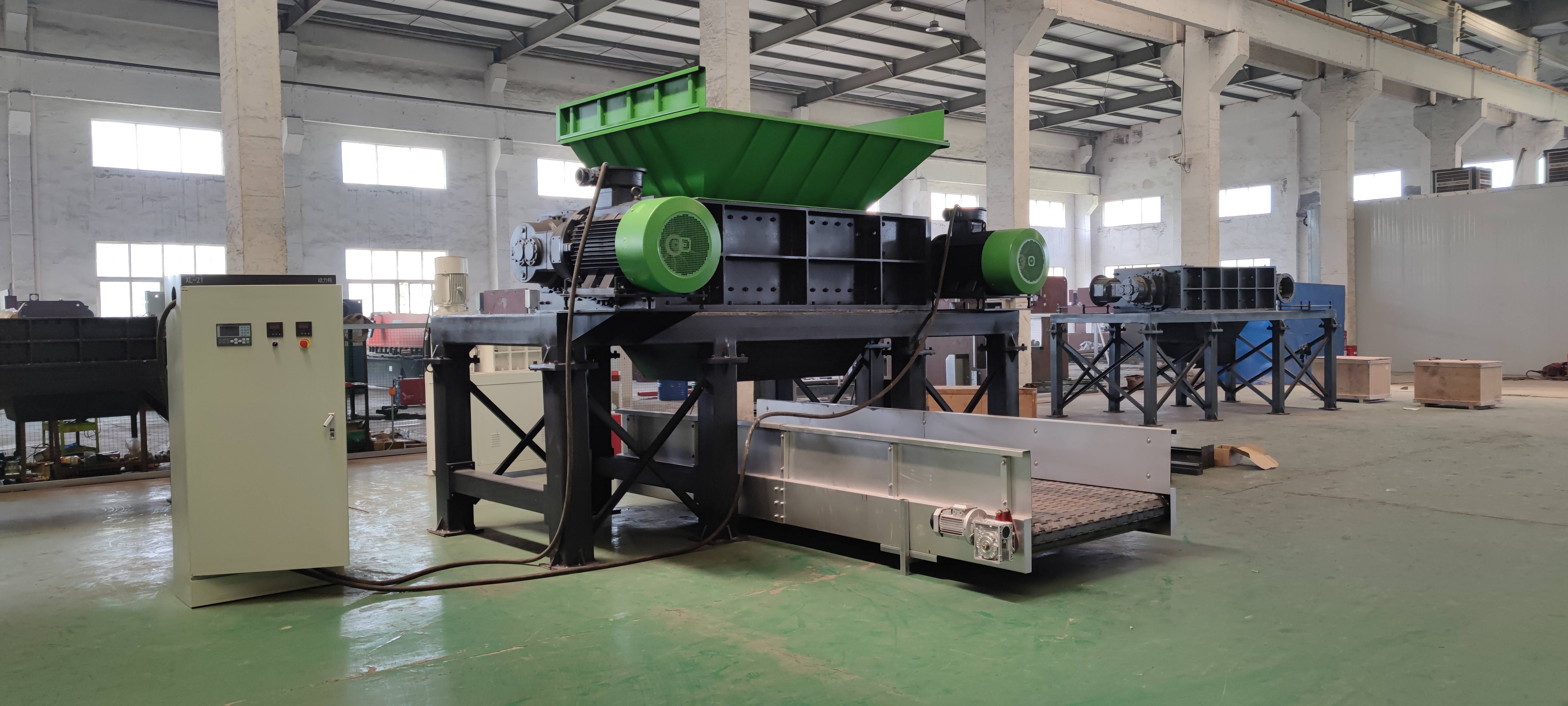
Most home desks simply don't handle documents that justify micro-cut shredding. Unless you're running a side gig destroying classified government files, the typical mix of old bills, junk mail, and shopping lists doesn't need to be turned into confetti. Cross-cut or even strip-cut shredders already make life hard enough for identity thieves, and the extra security of micro-cut is rarely tested in a household setting. It sounds impressive, but it's like using a fire hose to water a single potted plant.
Beyond that, micro-cut machines come with real downsides. They cost more upfront, chew through paper slower, and pack the bin with dense particles that need emptying far more often. The finer cutting heads also clog more easily on envelope windows, glue strips, or a stray staple. For someone who shreds a handful of pages a month, the added maintenance and expense just don't earn their keep. A decent cross-cut shredder delivers the right balance of price, speed, and everyday practicality.
A Feed Slot That Actually Takes Staples
Most paper shredders treat staples like a reason to jam, which means you're stuck prying them out before you can get rid of old bank statements or tax forms. This one doesn't flinch. The feed slot is built wide enough and the cutting heads are positioned to grab the whole stack, staple included, without forcing you to do any prep work.
That sounds like a small thing until you're standing over a box of files from 2019. Not having to pull out every staple by hand turns a tedious cleanup job into something you actually finish the same afternoon. The metal bits get separated from the paper shreds, so emptying the bin doesn't turn into a treasure hunt for sharp edges either.
It's the kind of design choice that only matters in the moment you feed a stapled document through and nothing catches, nothing grinds, and the machine just keeps going. For anyone who has ever bent a staple remover against a thick report, that's worth more than a spec sheet full of jargon.
No More Pausing to Cool Down
The old habit of stopping mid-task to let equipment cool down has quietly disappeared from well-engineered tools. Advances in thermal management mean heat gets pulled away from critical components almost as fast as it builds up. You can keep cutting, sanding, or drilling through dense material without that familiar pause, watching the work surface instead of the clock.
What used to feel like an unavoidable limitation now seems like a design oversight. Instead of layered safety shutoffs that interrupt your rhythm, the latest systems spread thermal load across broader surfaces and use active airflow paths that stay quiet. The result is a steady operating temperature that stays below the threshold where performance usually drops off.
For anyone who has lost momentum waiting for a tool to cool, the shift is immediate. You finish long passes in one go, move between tasks without a break, and stop planning your workflow around heat warnings. The pause becomes a thing of the past, not because the tool ignores heat, but because it handles it before you ever notice.
Safety Locks You'll Actually Use
Most cabinet locks end up in a drawer within a week—either they're too fiddly to engage every time, or they break after a few firm tugs from a determined toddler. The problem isn't the concept; it's that the design forgets how real kitchens work. You're holding a grocery bag in one hand and a sippy cup in the other, and the last thing you need is a two-handed puzzle standing between you and the trash bin.
What makes these locks different is the single-motion release. Push the hidden button while pulling the door, and it opens—no twisting, no aligning, no tiny key to lose. The latch itself is made from a flexible polymer that absorbs impact instead of cracking, so when your kid yanks on the cabinet for the tenth time, the lock gives a little instead of giving up. Installation takes about four minutes per door with the included adhesive strips, and unlike screw-mounted versions, you can reposition them without leaving holes behind.
The real test came on a Tuesday morning, when my two-year-old discovered the snack cabinet. She pulled, she pried, she even tried using a wooden spoon as a lever. The lock held. I, on the other hand, opened it with one finger while holding a phone to my ear. That's the whole point—safety that doesn't demand a trade-off. You don't have to choose between protecting your kid and keeping your sanity.
The Tiny Maintenance Step Everyone Forgets
Most people remember to change the oil and rotate the tires, but there’s one routine task that slips almost everyone’s mind: cleaning the drain holes along the bottom edges of car doors. These small slits allow rainwater and condensation to escape, but once they get clogged with dirt, leaves, or ice melt residue, water sits inside the door frame and quietly invites rust. A quick pass with a pipe cleaner or a blast of compressed air every few months can save you from the dull, metallic creak that eventually becomes a hole.
The same kind of forgettable maintenance hides in plain sight at home. Refrigerator drip pans, air conditioner condensate lines, and window weep holes all gather a film of dust and slime without ever demanding attention. When they finally back up, the result is never a dramatic failure—just a slow, damp smell under the sink or a brown stain near the sill. Wiping the drip pan with vinegar and flushing the condensate line with warm water takes less than ten minutes, yet most homeowners have never done it once.
Even the tools we rely on carry their own tiny neglected step. The rubber gasket on a washing machine door, the filter behind a vacuum’s exhaust, the tiny oil port on a standing fan—they all hum along until friction or odor forces a repair. Building a habit of glancing at these overlooked seams once a season doesn’t feel productive in the moment, but it’s precisely this quiet, unglamorous work that keeps the big, expensive failures from ever arriving.
FAQ
Focus on sheet capacity and run time rather than just price. A machine that handles 10 to 12 sheets per pass and can run for about 15 to 20 minutes before cooling down will cover most household bills and occasional office stacks without turning into a chore. Also check that the throat is wide enough for envelopes with folded edges.
Pick a model that explicitly says it can handle staples, then don't overfeed. Most jams happen when people stack more sheets than the motor can pull, not from the staple itself. If a corner feels stuck, run the reverse function for a second and straighten the stack before trying again.
For most people, yes if you shred anything with account numbers, tax details, or signatures. Micro-cut turns paper into small confetti rather than strips, which makes reassembling documents far less realistic. If you only shred junk mail, a cross-cut is fine, but the price gap has narrowed enough that micro-cut is usually the better default.
Only if the manual says so. Many compact shredders have a separate slot for cards and discs, but some can't handle them at all. Forcing a card through the paper slot will dull the blades and likely trip the overload sensor. If you only need to destroy the occasional expired card, a pair of shears works fine, but a dedicated slot is more convenient.
Noise varies a lot. Basic units can sound like a vacuum cleaner, while better models stay around 55 to 60 decibels. That's usually quiet enough for a call if you place the shredder a few feet from your microphone, but I wouldn't run it right next to a laptop. If background noise is a concern, look for models labeled as low noise or brushless motor.
Think in terms of how often you want to empty it. A 5-gallon bin holds roughly a week of light daily use for one person. For two people or heavier use, 7 to 9 gallons means fewer trips to the recycling bag. Bigger bins also add stability, which helps when you're pulling out a full basket.
A light oiling once a month is enough for moderate use. Run a sheet of paper through the machine after oiling to spread the lubricant and absorb excess. If you shred a lot of envelopes or cardstock, oil every three weeks. Avoid spray oils meant for other tools; use shredder oil or plain mineral oil applied in a thin zigzag.
Look for a shredder with a safety lock or a power switch that's hard to trigger accidentally. Some models now include a sensor that stops the blades if a hand or paw gets too close to the opening. Keep the cord tucked away and unplug the machine when it's not in use if toddlers are around. A narrow feed slot is also a plus because small fingers can't fit through as easily.
Conclusion
Most shredders aimed at home and office desks force you to choose between a machine that sounds like a jet engine and one that jams the moment a staple sneaks in. The better option skips the noise drama entirely and settles into a low hum, even when it's chewing through a full credit card or a stack of paper. You also don't need micro-cut confetti for everyday bills and old to-do lists; a cross-cut that produces small, unreadable strips is plenty, and it saves you from emptying the bin every ten minutes. A feed slot wide enough to take staples without a second thought means you stop pulling them out by hand, which is where most paper jams actually begin.
The real difference shows up after twenty minutes of straight shredding. A solid motor and smart heat management let you keep going instead of waiting for a cool-down light to blink. Look for a safety lock that doesn't fight you—something you can slide with one hand, not a puzzle you dread using. And that one maintenance step everyone forgets? Run a lubricant sheet through the blades once a month. It takes five seconds, keeps the cutters sharp, and prevents the grinding that eventually kills budget shredders. No hassle, no fuss, just a machine that sits quietly under the desk and handles whatever you feed it.
Contact Us
Contact Person: Leon
Email: [email protected]
Tel/WhatsApp: 8615385558866
Website: https://www.shred-waste.com