

Concrete Admixture Manufacturer Drives Sales Growth with Advanced Solutions
2026-08-21
When concrete admixtures evolve from commodity additives into tailored performance solutions, the impact on sales can be dramatic. HAISEN operates at that intersection—pairing advanced admixture technology with a sharp focus on market needs. This approach not only strengthens concrete quality but also gives clients a clear competitive edge. Here’s how HAISEN turns technical innovation into measurable sales growth.
Rethinking Admixture Performance Around Tight Job Site Timelines
Tight schedules often push crews to place concrete before the mix has fully adjusted to site conditions. Lab data for set time and slump retention rarely accounts for hot rebar, congested formwork, or the extra minutes lost waiting on a pump line. When the pour window shrinks, admixture performance stops being a spec sheet detail and becomes the difference between a clean finish and a cold joint.
Rethinking performance means treating set time, slump life, and early strength as moving targets rather than fixed values. A mix that works at 10 a.m. may behave differently by 3 p.m. if the temperature climbs or the truck sits in traffic. Crews that log ambient temperature, haul time, and vibration method after each pour can adjust retarder or high-range water reducer dosages in small increments, keeping workability predictable without delaying finishing.
A more practical approach is to run small field trials that mimic the worst-case timeline before the actual pour. Testing two or three admixture combinations under simulated delay and rapid finishing conditions reveals which formula tolerates real-world pressure. This step costs little compared with tearing out a slab or grinding down surface defects, and it helps teams meet tight deadlines without gambling on standard lab results.
How Smarter Formulations Help Contractors Hit Strength Targets Sooner
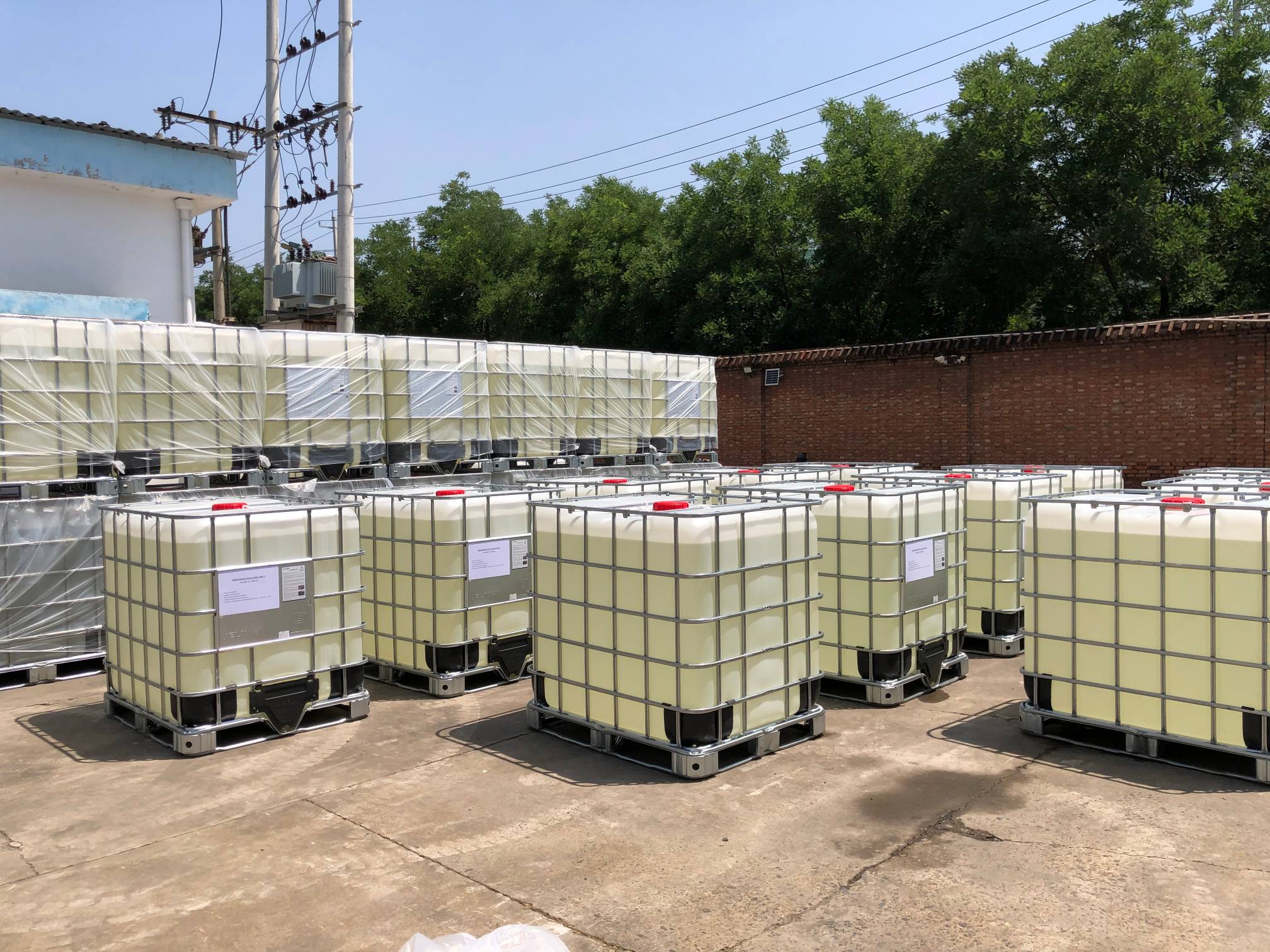
Hitting a specified compressive strength isn't just about adding more cement. Smarter formulations lean on optimized particle packing, precisely dosed accelerators, and well-chosen supplementary cementitious materials to push early-age strength without wrecking workability or long-term durability. That means crews can strip forms, tension cables, or open pavements to traffic a day or two earlier, even when ambient temperatures aren't cooperating.
The real advantage shows up on tight schedules. A mix designed with faster strength gain in mind lets a contractor sequence pours back-to-back instead of waiting on cylinder breaks before moving the crew. It also reduces the temptation to over-design with high cement contents just to beat a deadline, which often leads to thermal cracking and permeability headaches later. In practice, a well-tuned formulation turns the strength-versus-time curve from a constraint into a scheduling tool.
Field adjustments matter just as much as lab results. Smart formulations give contractors room to fine-tune with mid-range water reducers or viscosity modifiers on site, so the mix stays consistent from first load to last. That consistency is what lets a project team trust the early strength numbers and pull critical path activities forward without gambling on a test cylinder that might not tell the full story.
Closing the Gap Between Lab Data and Job Site Outcomes
Lab results often look perfect on paper, but the moment materials land on a dusty, uneven job site, those numbers start to drift. Temperature swings, rough handling, and fast-paced installations expose weaknesses that never showed up in controlled testing. The real challenge isn't collecting more data in the lab — it's understanding which measurements actually matter once boots hit the ground.
Field feedback rarely matches the clean curves of a test report. A coating that cured beautifully at 72°F might blister under direct sun, while a fastener rated for high tensile strength can snap when a worker applies slightly too much torque. Bridging this gap means treating every job site as a living experiment: tracking how products behave after installation, then feeding those observations back into the development cycle instead of filing them away as isolated complaints.
The teams that close this loop fastest are the ones who stop treating lab data as the final word. They pair rigorous testing with on-site sensors, installers' notes, and follow-up inspections. When a discrepancy shows up, it becomes a starting point — a clue about environmental stress, application error, or an overlooked material property. Over time, that back-and-forth turns raw data into practical knowledge that holds up where it counts: in the hands of the crew, under real loads, on real deadlines.
What High-Volume Buyers Look for Beyond the Product Data Sheet
Data sheets get a product in the door, but they rarely close the deal for buyers moving container-loads at a time. Once the headline specs check out, the real questions tend to be quieter: How consistent is the output from the third shift on a Friday? What does the packaging look like after a two-week ocean crossing? Will the same account manager pick up the phone when a shipment gets flagged at customs?
Volume buyers often look for evidence that a supplier treats repeatability as a feature, not an afterthought. They want batch-level traceability, clear deviation reporting, and a sense that the factory's quality team isn't just running the same tests for every customer. A supplier that remembers your pallet configuration, tolerances, and delivery windows without being reminded twice quickly becomes more valuable than a marginally better spec on paper.
Beyond the product itself, responsiveness under pressure tends to separate dependable partners from transactional vendors. Real lead times, honest capacity projections, and a willingness to flag potential delays before they become emergencies matter more than a bullet-point list of certifications. High-volume buyers are, at the end of the day, buying predictability as much as they're buying material.
Turning Hands-On Technical Support into Repeat Business
When a customer's point-of-sale system crashed during a busy lunch rush, I didn't just read from a script. I stayed on the phone, walked them through a manual workaround, and then called back two hours later to make sure the fix held. That restaurant owner now calls us first for every new hardware purchase, even when cheaper options exist.
The trick is treating each support call as a sales opportunity without ever sounding like one. Explain the root cause in plain English, offer a quick preventive tip, and follow up with a short email summarizing what was done. Customers remember the technician who taught them something useful, not the one who rushed to close the ticket.
Over time, these small moments compound. A retail chain we helped through a network outage ended up signing a three-year service contract—not because we pitched it, but because the owner told his peers, “Those guys actually fix things and explain why.” Repeat business grows from trust built one hands-on interaction at a time.
Scaling Custom Mix Guidance Without Losing Field Credibility
Scaling custom mix guidance almost always tempts teams to fall back on a single proven recipe. That approach might work for a season, but field credibility erodes the moment a blend fails on a soil type it never saw in testing. Instead of pushing one universal mix, build guidance around decision bands: a core ratio verified across multiple regions, plus acknowledged adjustment windows for pH, drainage, and residue cover. Agronomists then have room to tailor without wandering into untested territory, and growers hear a recommendation that sounds like it came from someone who has walked their fields.
Keep the local field staff in the loop rather than treating them as order takers. Before a new custom mix enters the broader portfolio, run it through a small network of cooperators who already track planting date, stand count, and late-season stress. Their notes often reveal what a spreadsheet misses, like a micronutrient interaction that only shows up after a dry August. Those observations become constraints in the guidance system, so the scaled version never drifts far from what was actually observed.
Finally, close the loop with post-season strip data. Even a well-designed mix guidance system needs to show its work, not just its outputs. When a recommendation goes out, attach the underlying trial years and soil zones, and then ask retailers to log what happened in the field. Over time those logged results adjust the decision bands, and that visible back-and-forth is what keeps credibility intact as the program grows beyond the original test geography.
FAQ
A string of project delays caused by inconsistent setting times and poor workability pushed the company to rethink its product line, especially after two large contractors reduced their orders.
The updated blends include a high-range water reducer that cuts water demand by nearly 25%, allowing crews to pump concrete over longer distances without segregation or strength loss.
Precast plants and self-consolidating concrete specialists became the fastest-growing accounts, since the new admixtures gave them repeatable flow and faster demolding cycles.
The manufacturer placed experienced technicians on active sites to adjust dosages and troubleshoot mix changes, which built trust and led many clients to switch their entire admixture spend.
Instead of one-size-fits-all products, they developed three regional base formulations and fine-tuned them with local cement samples, avoiding compatibility problems that had previously undermined client confidence.
Within fourteen months, repeat order value rose 38% and the company secured framework agreements with two national ready-mix networks, pushing total admixture revenue past its five-year target.
The lower total cost per cubic meter from fewer rejected loads and reduced labor for finishing made the premium admixtures easier to justify, even against cheaper imported products.
Batch-to-batch quality checks and a digital mix tracking system allowed the company to guarantee performance within tight tolerances, which sales reps used as a key differentiator in competitive bids.
Conclusion
For a concrete admixture manufacturer, sales growth rarely comes from selling a better spec sheet. It comes from understanding that contractors live on tight schedules and need mixes that perform predictably in the real world, not just in a lab. Rethinking admixture performance around actual job site timelines means developing formulations that let crews strip forms faster, finish slabs sooner, and hit strength targets within hours instead of days. The smartest manufacturers are closing the gap between clean laboratory data and messy field outcomes by testing their products under real temperature swings, variable aggregate moisture, and rushed batching conditions. When an admixture works the same way on a windy Friday afternoon as it does in a controlled curing room, word travels fast among project managers who cannot afford callbacks.
High-volume buyers—ready-mix producers, precast plants, and large contractors—look beyond the product data sheet for technical depth that saves them money on the pour. They want a partner who can troubleshoot slump loss over the phone, adjust dosage for local cement chemistry, and scale custom mix guidance without turning every recommendation into a corporate script. That kind of hands-on technical support translates directly into repeat business, because trust is built one problematic pour at a time. Advanced solutions in this space are not about adding more chemical features; they are about making field credibility the core of the sales conversation. When a manufacturer helps a customer pour 2,000 cubic yards on a deadline and the cylinders pass, that relationship becomes far stickier than any loyalty program.
Contact Us
Contact Person: Sam Lee
Email: [email protected]
Tel/WhatsApp: 86-311-6617 8338
Website: https://www.horizonadmixtures.com/