

Export Batch Off Cooling Line Equipment with Confidence Using Proven Tips
2026-11-16
Exporting a batch off cooling line isn’t a simple box-and-ship job. Between complex disassembly, fragile controls, and country-specific compliance, even seasoned exporters can hit costly snags. That’s why we’ve pulled together proven tips from real-world shipments to help you move your equipment with confidence—no last-minute surprises. Whether you're upgrading a plant or fulfilling a client order, a reliable partner like AUGU AUTOMATION makes the difference between a smooth handoff and a logistical headache.
Skip the Guesswork: Get Exact Weights and Dimensions First
Relying on estimates for weight or size is how small mistakes turn into expensive ones. Before you commit to a freight quote, a mounting bracket, or a floor plan, pull the actual numbers from the spec sheet or take a fresh measurement. A few minutes with a tape measure and a scale saves you from surprise fees and returns later.
Exact dimensions also remove the usual back-and-forth with vendors. When you hand over verified figures upfront, the conversation shifts from “maybe it will fit” to “here is the clearance you will have.” That clarity makes quotes more accurate and installation schedules far less stressful.
Photo-Document Wear Parts Before the Line Leaves Your Facility
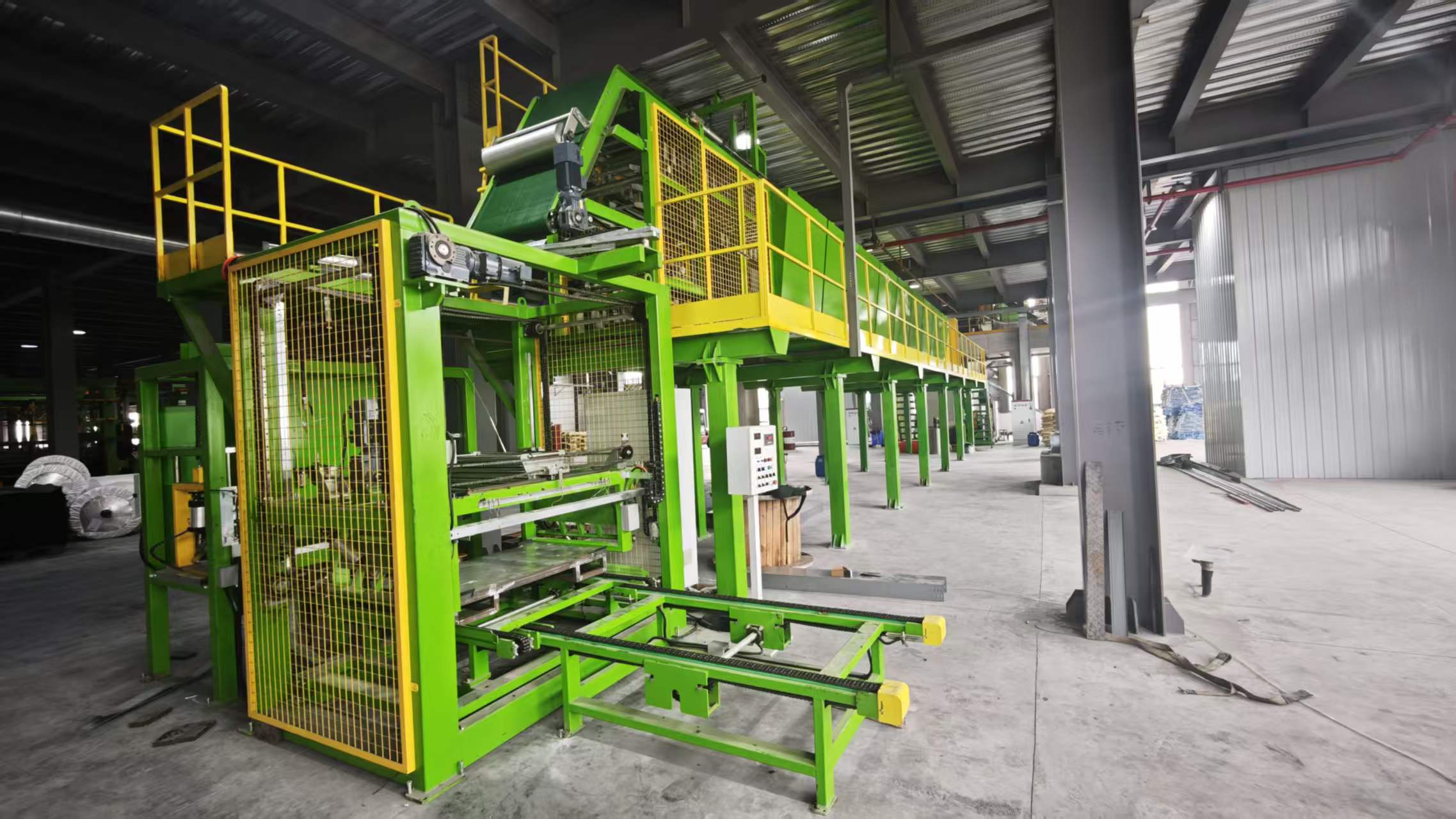
Documenting wear parts with photos before equipment ships isn’t just a checkbox—it’s a smart way to lock in a visual baseline. When a line leaves your facility, those images capture exactly what went out the door, from bearing surfaces to belt edges. Later, if a customer reports premature wear or damage, you can compare the current state against the original record instead of relying on memory or vague service notes.
Make the photo set part of your pre-shipment checklist, not an afterthought. Use a consistent angle and lighting for each component, and include a scale reference like a coin or ruler. Store the images with the machine’s serial number and build date, so anyone on the support team can pull them up in seconds. This small habit saves hours of back-and-forth and helps you spot patterns—like a particular batch of rollers wearing faster than expected—before they turn into warranty claims.
The real payoff is trust. Customers see that you took the time to record details, and when a dispute arises, you have clear evidence rather than guesswork. Over time, these photo archives become a practical database for improving designs and supplier choices. It’s a low-cost step that pays off in fewer surprises and stronger client relationships.
Destination Voltage Isn’t Optional—Check It Before You Quote
A recent client asked for a rush quote on a small conveyor system. They assumed the destination ran on 220V like their home market. Turns out, the end user was in Japan, where the grid is 100V and frequency varies by region. That single assumption almost led to a spec for the wrong motor and a very unhappy customer on installation day.
Destination voltage isn't just about plug adapters. It affects frequency, phase balance, and even which power supply or transformer you need. If you base a quote on your local standard instead of the delivery site's actual supply, you risk under-sizing or over-engineering components. In the worst case, equipment won't start or creates a safety hazard. Checking the grid specs before pricing changes the whole bill of materials.
Make it a non-negotiable step: before you send any quote, look up the destination's voltage, frequency, and plug configuration. It takes under a minute and tells the client you understand their environment, not just your catalog. The final number will be accurate, and you'll avoid the blame game when something doesn't power up.
Container Width Dictates How You Break Down the Line
A container that sits at 320 pixels wide forces every sentence into a series of tight, choppy segments. You don't get to decide where the line ends based on meaning or rhythm—you end up breaking words mid-syllable because the physical space runs out. This isn't a stylistic choice; it's a mechanical consequence of the width you've given the text.
When the same paragraph lands inside a 900-pixel column, the breaks shift dramatically. Full clauses stay intact, punctuation acts as a natural stopping point, and the reading flow mimics how you'd actually speak the sentence aloud. Wider containers let you honor semantic boundaries, while narrower ones push you toward hyphenation and awkward splits just to avoid overflowing the box.
So before you touch line-height or font size, measure the container first. That number tells you how many characters fit per row, which then dictates whether you need shorter words, adjusted tracking, or a completely different sentence structure. The width isn't a passive frame—it's the ruler you build every line-break decision around.
Forklift-Proof Crating Matters More Than You Think
Most people assume any wooden crate will survive a warehouse, but the moment a forklift operator misjudges a turn, that assumption collapses. Standard crates flex, splinter, and transfer impact straight to your product. Forklift-proof designs, by contrast, use reinforced corner blocks and thicker panel cores to absorb lateral blows without cracking. The difference isn't cosmetic—it's the reason your machinery arrives intact instead of with a bent frame or shattered housing.
What gets overlooked is how often “minor” collisions happen. A pallet nudged too hard against a rack, a fork tip grazing the crate side during loading, or a sudden stop shifting the entire stack. Each event applies concentrated pressure at a single point. Forklift-proof crating spreads that load across a wider surface, preventing the kind of localized failure that turns a small bump into a insurance claim. Without that reinforcement, you're gambling every time the crate moves.
The real cost isn't the crate upgrade—it's the downtime, rework, and customer disappointment from a shipment that fails on arrival. Forklift-proof crating doesn't just protect during the dramatic accidents; it earns its value in the daily grind of docks and distribution centers. Once you've seen a standard crate crack under a routine fork adjustment, you stop asking whether the extra reinforcement is worth it and start asking why everyone doesn't default to it.
Remote Startup Support Turns One-Time Buyers into Repeat Clients
Small companies often lose customers after the first sale because they lack the bandwidth to answer follow-up questions quickly. A remote support team changes that pattern. When a buyer gets stuck during setup or needs a small customization, having someone available across time zones removes the friction that normally sends them searching for another vendor.
The real shift happens when support starts to feel proactive. Instead of waiting for a complaint, remote staff can check in after delivery, share a short video walkthrough, or flag a common mistake before it becomes a problem. Those small touches turn a transactional purchase into an ongoing relationship. Buyers remember who made their first week easier, not just who had the lowest price.
Repeat business grows naturally once trust is built. A client who knows they can reach a real person on short notice is far more likely to place a second order, upgrade their plan, or ask about an add-on. Remote support does not just solve problems; it creates the kind of reliability that keeps a brand top-of-mind when budgets expand.
FAQ
Start by verifying the equipment matches the destination country's voltage, frequency, and safety standards. Secure all detachable parts, drain and clearly tag any hydraulic or pneumatic systems, and confirm the manuals, wiring diagrams, and certificates are packed with the machine.
Prepare a complete set of documents before shipping: accurate HS code classification, certificate of origin, commercial invoice, packing list, and technical drawings. Some countries also require third-party inspection reports or pre-shipment verification, so check those requirements early.
Use VCI anti-rust packaging for metal parts, place everything in sturdy wooden crates or steel frames with clear center-of-gravity markings, and add internal bracing. Seal electrical control cabinets and include desiccant bags to prevent moisture damage.
Yes, you typically need the operation manual, maintenance guide, electrical schematics, pressure vessel certificates if applicable, and any destination-specific safety approvals. A detailed packing list that matches each crate's contents is also essential.
Residual coolant or oil inside the machine can cause quarantine issues at the destination port. Old equipment often lacks current compliance labels or modification records, and improper disassembly can lead to frame distortion that makes reinstallation difficult.
Offer a recorded trial run, share third-party inspection results, and provide references from at least two similar projects. Be clear about warranty coverage and response time, and if possible, offer remote commissioning support after delivery.
Disassembling into major modules is usually safer and cheaper for shipping. Separate the cooling section, conveyor section, and control cabinet, then mark every connection point and take photos of the original assembly to guide the buyer's team during reinstallation.
FOB and CIF are common, but if you want to reduce the buyer's risk during unloading and installation, consider DAP or DDP. Always confirm the buyer's port equipment and local clearance capacity before finalizing the incoterm.
Conclusion
Getting batch off cooling line equipment ready for export starts long before the container arrives. Skip any guesswork on weights and dimensions—when a line is several tons and split across multiple skids, even a small miscalculation changes crane capacity, truck routing, and the final port charges. While the equipment is still inside your facility, take clear photographs of all wear parts, from belts to scrapers, with a reference scale in frame. These shots are not for your own records only; they protect you when a buyer claims something arrived already damaged. Also check the destination voltage before you even draft the quote. A 480-volt line headed to a 380-volt market needs a transformer or motor changes, and finding that out after the equipment lands is the fastest way to lose the buyer's confidence.
Container width is what really dictates how far you break down the line. The narrowest measurement inside a standard container—often less than 2.4 meters—forces you to remove side guards, discharge chutes, and certain platforms, even if they would fit through your shop door. Planning the module breakdown around that number prevents the crew from wasting a full day at the port trying to force a section that is a few centimeters too wide. Crating deserves more attention than it usually gets. Forklifts will hit the crates from every angle during loading and unloading, so the bases need to be strong enough to take a tine strike without collapsing. Finally, set up remote startup support before the equipment ships. When the buyer powers up the line at their facility in another time zone, being reachable by video call to walk them through calibration or reset an alarm is what separates a smooth handover from a costly dispute—and it's the kind of service that makes them come back for the next line.
Contact Us
Contact Person: Lareina
Email: [email protected]
Tel/WhatsApp: +86 17561696737
Website: https://www.auguauto.com/