

Honeycomb Shades Manufacturer Reveals Key Benefits of Cellular Shades for Year-Round Comfort
2026-11-02
Ever notice how the rooms near your windows always feel a few degrees off, no matter the season? Honeycomb shades—also called cellular shades—solve that problem with their unique air-trapping design, and a leading manufacturer is now revealing exactly why they work so well for year-round comfort. From blocking summer heat to holding warmth in winter, these shades help maintain a steady indoor temperature while cutting energy costs. ROLLERGY brings these benefits together with durable, custom-fit options that make every window work harder for your comfort.
Pockets of Still Air Do the Heavy Lifting
Still air is a surprisingly effective insulator. When air is trapped in small pockets and prevented from moving, it resists heat transfer far better than many solid materials. The key is immobility—once air starts circulating, it carries heat with it, but sealed pockets keep warmth in place.
Think about a down jacket. The fluff isn't what keeps you warm—it's the thousands of tiny air pockets between the fibers that slow down escaping body heat. The same logic applies to foam insulation in walls, where countless microscopic air cells block the flow of heat from inside to outside.
This principle also shows up in double-glazed windows. A thin gap of sealed air between two panes stops heat from conducting outward, so the inner pane stays closer to room temperature. Without that still air pocket, the window would lose warmth much faster.
No More Drafty Window Seats
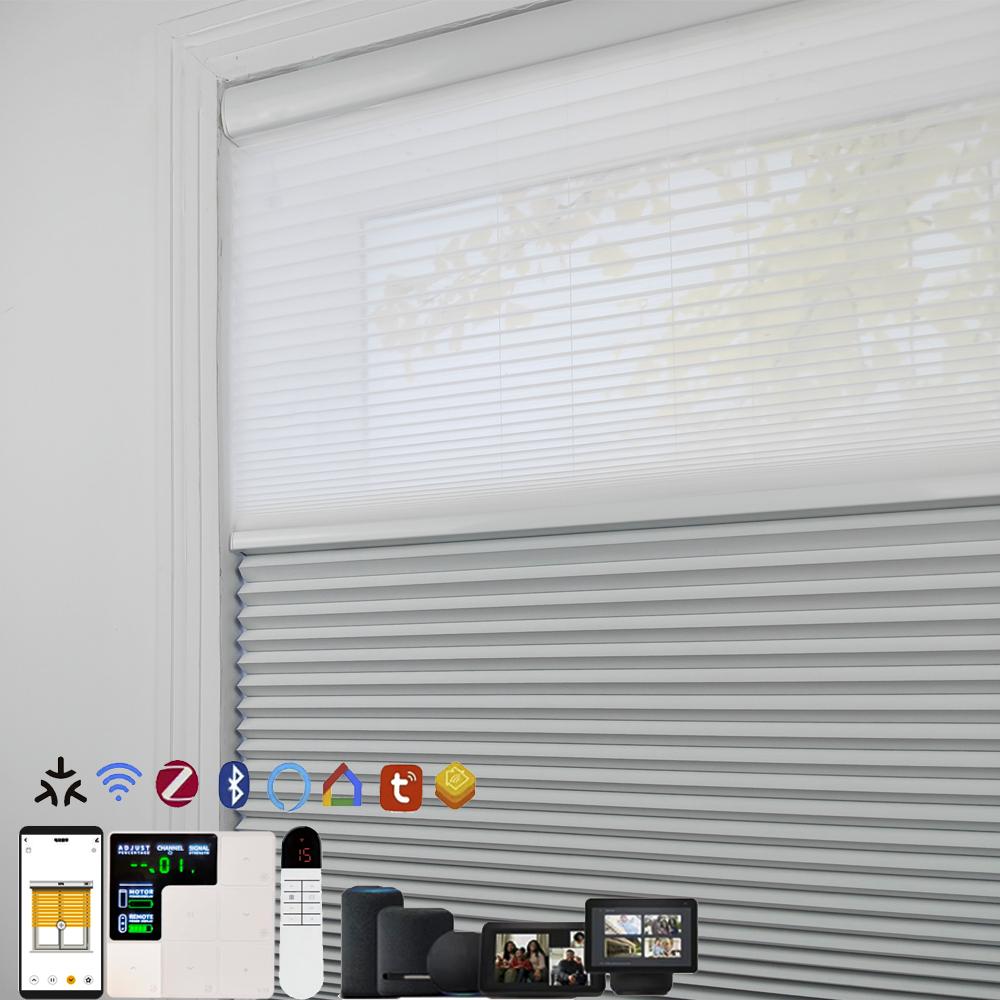
You know that cold spot near the window—the one that makes you reach for a blanket before you've even finished your coffee. Drafty window seats aren't just uncomfortable; they quietly drive up your heating bill and make the whole room feel neglected. The usual fixes often stop at a tube of caulk, but that rarely solves the real problem if the seat itself was never insulated properly.
Start by lifting the seat lid and checking the cavity underneath. In many older homes, this space was left empty or stuffed with a thin layer of fiberglass that has long since settled. Pull out whatever is there, vacuum the dust, then cut rigid foam board to fit snugly between the joists. Seal the edges with low-expansion spray foam, not regular caulk, so you don't bow the frame. If the seat cushion sits directly on the frame, add a layer of reflective insulation before putting the top back on.
Finally, address the gap where the seat meets the wall and the window apron. A foam backer rod pressed into the crack and covered with a paintable acrylic latex caulk stays flexible and won't crack when the wood moves with the seasons. For an even warmer feel, replace the cushion foam with a high-density foam wrapped in a thermal lining. The difference is immediate—no more cold drafts creeping up your back while you read by the window.
Heat Stays Out in July, Stays In During January
That phrase gets tossed around a lot in window brochures, but it actually points to a real balancing act. In summer, the sun hammers the glass and roof, and without the right glazing or insulation, that heat pours straight into living spaces. A low-emissivity coating on the glass reflects a big chunk of the infrared radiation back outside, so the air conditioner doesn't have to fight as hard. In winter, the same coating works in reverse — it lets short-wave solar heat in during the day, then traps the long-wave heat your furnace produces, keeping it from escaping through the panes.
The trick isn't one magic material but how layers work together. Double- or triple-pane windows with argon or krypton gas between the glass slow down conduction. The frame matters too — a thermally broken aluminum or fiberglass frame won't wick heat the way old single-pane metal frames did. In a Phoenix summer, that means the west-facing room no longer feels like an oven by 4 p.m. In a Minneapolis January, it means you can sit by the window without a draft pulling heat off your skin. The same physics applies to walls and attics: continuous exterior insulation, properly sealed gaps, and radiant barriers all pitch in.
What makes the difference in real life is how the house responds hour by hour. On a July afternoon, the sun's angle is high, so overhangs and low-solar-gain glass on south and west exposures cut the peak load. At night, opening windows lets stored heat bleed out. Come January, the low sun angle actually becomes an asset — south-facing glass turns into a passive heater during the day, while heavy curtains or cellular shades close up after dark to hold that warmth. It's not about buying the most expensive window on the shelf; it's about matching the glass, the frame, and the shading to the local climate. When that's done right, the house really does keep the heat on the side you want it — outside in summer, inside in winter.
A Quieter Bedroom Without Replacing Windows
You don't have to pull out the old window frames to cut down the street noise that sneaks into your bedroom at night. A lot of the sound comes through tiny gaps and thin glass, and those are easier to address than you might think. Start by pressing your hand around the window edges on a windy day—if you feel even a slight draft, that's also a path for sound. Adding fresh weatherstripping or using a removable caulk cord can seal those leaks in under an hour, and you'll notice the difference before your next sleep.
For the glass itself, heavy, lined curtains made of dense fabric like velvet or layered cotton do more than block light; they absorb mid- and high-frequency noise from passing cars or neighbors. If you want something even more effective, look into interior window inserts—custom-cut acrylic panels that mount inside the existing frame. They create an air gap that deadens sound without changing the look of your home from the outside. Pair them with a rug or upholstered headboard near the window, and the room starts to feel noticeably calmer.
Sunlit Rooms Without the Fading Worry
Bright, sun-drenched rooms feel alive, but that same light can quietly drain the color from upholstery, rugs, and wood over time. The trick isn't to block the sun entirely—it's to manage how much UV reaches your things without losing the warmth that made you choose the room in the first place.
Start with the windows. A clear UV-filtering film cuts out most of the fading spectrum while leaving the view and daylight intact. If film isn't an option, sheer linen curtains soften direct rays during peak hours and still let the room glow. Inside, lean toward performance fabrics labeled fade-resistant—solution-dyed acrylics and polyester blends hold their color far longer than natural cottons or silks in harsh southern or western light.
Small changes also help. Rotate cushions and rugs every few months so the same spots don't take all the exposure. Swap dark, saturated pieces in the strongest light for lighter tones, which show fading less. And if you love a vivid rug or chair, place it a few feet back from the window line—you'll keep the sunlit feel without the slow, patchy washout that happens right at the glass.
Clean Lines That Fit Any Design Style
There's a common misconception that clean lines only belong in minimalist or modern spaces. What often gets overlooked is how they quietly support eclectic, rustic, or even industrial interiors. A crisp edge on a shelf, a sharply tailored sofa, or a simple rectangular table brings a sense of order that lets bolder textures and colors breathe. It's less about stripping things away and more about giving every object a clear boundary.
Look closely at rooms that feel effortlessly put together, and you'll notice straight lines working behind the scenes. They might show up in the frame of a mirror, the legs of a chair, or the way wood panels align. These details don't shout for attention, but they create rhythm. When paired with curved furniture or organic materials, clean lines prevent the space from feeling chaotic. The real trick is contrast: a sleek outline against a raw brick wall or a plush rug adds depth without clutter.
If you're worried that clean lines will make a room feel cold or sterile, the key is in the materials. A sharp silhouette in warm oak, nubby linen, or brushed brass feels inviting rather than clinical. It's the difference between a stark white box and a cozy reading nook with a simply built bookcase. The line stays clean, but the texture carries the warmth. That versatility is why this approach fits nearly any design style—from a beach cottage to a downtown loft.
FAQ
Their signature honeycomb cells create insulating air pockets that act as a buffer between your room and the glass. This design slows heat transfer far better than flat blinds or curtains.
Yes. In cold months they trap warm air near the window and reduce drafts. In hot months they block direct solar gain before it heats your interior, so your cooling system doesn't have to work as hard.
Homeowners often notice lower heating and cooling bills because the shades reduce temperature swings. Exact savings depend on window size, climate, and how often the shades are closed during peak sun or cold snaps.
They come in a range of opacities—from sheer to room-darkening—and can be ordered with top-down/bottom-up operation, which lets you lower the top for natural light while keeping the lower half closed for privacy.
Many manufacturers offer custom fabrication for arches, skylights, angled windows, and wide expanses. The cellular structure stays stable even in larger dimensions when properly fitted.
The cell pockets can slightly dampen sound transmission, especially with double-cell or triple-cell designs, though they are not a replacement for acoustic panels or storm windows.
Most can be kept clean with occasional vacuuming using a soft brush attachment or light dusting. Avoid harsh cleaners, as they can break down the fabric’s shape and finish.
Yes, motorized honeycomb shades are widely available and can be programmed for schedules or paired with sensors to adjust automatically based on sunlight or temperature.
Conclusion
Cellular shades get their name from the honeycomb-shaped pockets built into the fabric, and those pockets do more than catch the eye. Each cell traps a layer of still air, creating a buffer between your room and the window glass. That simple design means cold drafts no longer pool around window seats during winter, and the same barrier keeps conditioned air from slipping outside. In July, the shades help block incoming heat before it can warm up your space; in January, they slow the escape of warmth, so your heating system doesn't have to work as hard. The result is a steadier indoor temperature near windows, where people often notice the biggest swings.
Beyond temperature control, these shades bring practical perks that go unnoticed until you live with them. A home near a busy street or a bedroom facing the neighbor's driveway can feel noticeably quieter because the air pockets absorb some of the outside noise. For rooms filled with natural light, cellular shades filter harsh rays that fade furniture, rugs, and artwork, yet still let soft daylight through. And because the shades stack into a slim, tidy header when raised, they suit everything from minimalist apartments to traditional homes without demanding attention. It's a low-fuss way to make windows work better all year long.
Contact Us
Contact Person: Vivien Cheng
Email: [email protected]
Tel/WhatsApp: +86 13751758835
Website: https://www.rollergytech.com/