

Professional Full Face Snorkel A Practical Guide to Choosing the Best Fit
2026-09-16
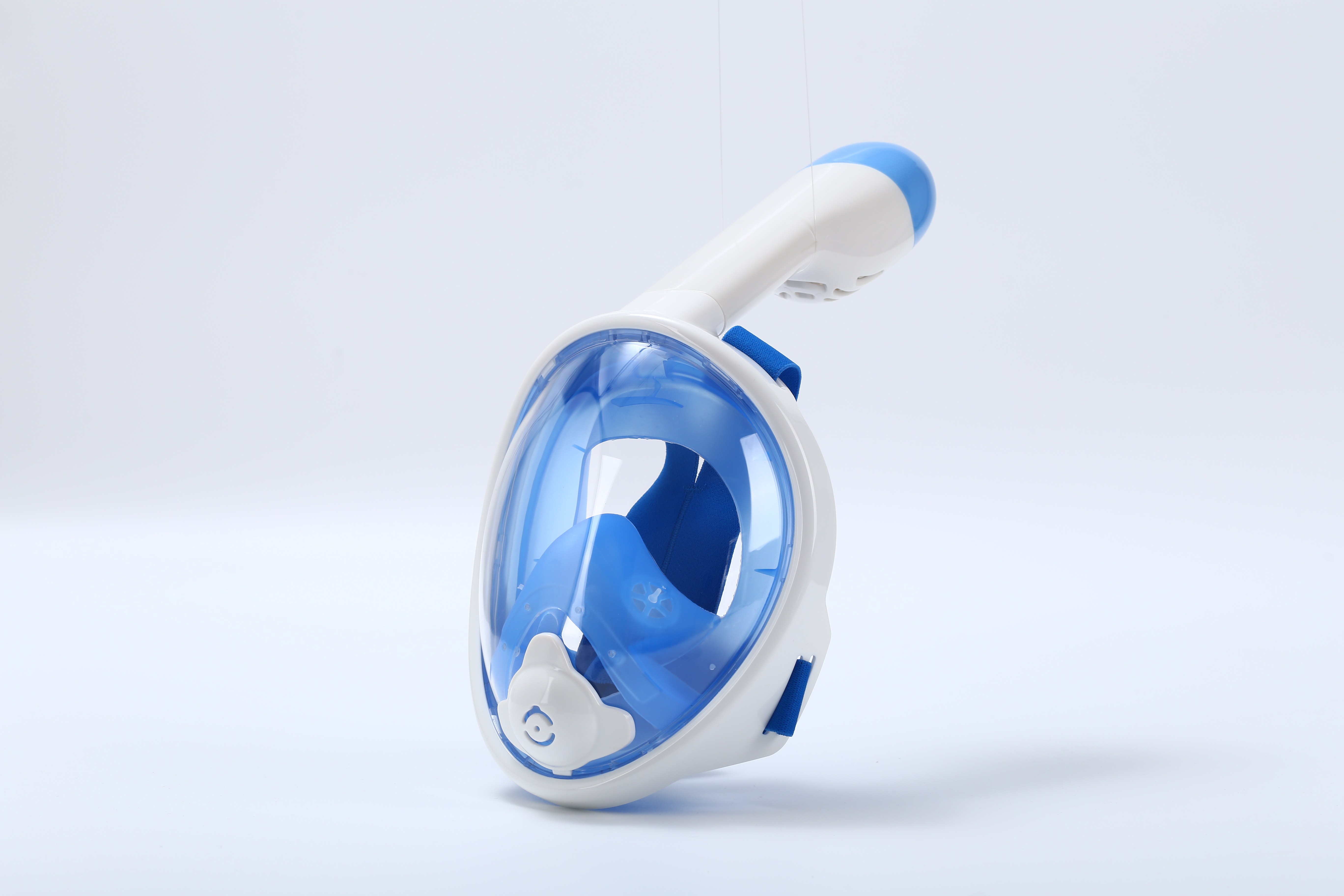
Choosing a full face snorkel isn't just about grabbing the first mask you see—it’s about finding one that truly fits your face, your breathing, and your sense of adventure. A poor fit can turn a dreamy reef tour into a foggy, leaking struggle. That’s why we’ve put together this practical guide to help you pick the perfect full face snorkel, whether you're a first-timer or a seasoned explorer. Along the way, you’ll see why brands like OCORT have earned a loyal following for their thoughtful design and reliable comfort. Ready to breathe easy and see clearly? Let's dive in.
Check These Three Spots Before You Buy Another Full Face Mask
Most people only glance at the front of a full face mask before pulling out their wallet. That's a mistake. The real story is in the details you can't see from a product thumbnail. Start at the top strap anchor points. If the silicone is thin or the buckle feels flimsy when you pinch it, the mask will slide around your face after ten minutes in the water. A good anchor should have a slight texture to grip the strap, not a polished, slippery finish.
Next, run your finger along the inner skirt edge. This is where cheap masks fail first. Look for a double-sealed lip, not just a single layer of silicone. If you can fold the skirt back and see a sharp seam line or glue residue, skip it. That seam will dig into your forehead or under your nose and cause leaks within a few dives. The best masks have a smooth, continuous transition from frame to skirt with no visible bonding line.
Finally, check the lens retention system from the inside. Push gently on the glass from the outside while looking at the inner groove. If the lens flexes or you see movement between the glass and frame, the seal is weak. Over time, temperature changes and repeated pressure will crack that bond. A solid mask will have the lens sit dead still, with the frame material slightly overlapping the glass edge. These three spots take ten seconds to check but save you from buying a mask that only looks good in photos.
The Silicone Seal Trick That Keeps Water Out of Your Eyes
If your swim goggles leak no matter how tight you pull the strap, the problem is rarely the strap itself. It’s almost always the silicone gasket around the eyecup. Before you put them on, wipe the silicone edge with a clean, dry cloth to remove sunscreen, face oil, or old chlorine residue. Even a thin film of oil will stop the seal from gripping your skin. Then press each eyecup gently against your eye socket for two or three seconds before pulling the strap over your head. You should feel a slight suction—that’s the silicone doing its job instead of just sitting on your face.
If the gasket has gone stiff or shiny with age, you can usually bring it back by soaking the goggles in warm (not hot) water for ten minutes, then letting them air dry. Avoid wiping the silicone with towels that leave lint, and never store goggles with the strap stretched over the lens. A soft, pliable gasket that’s clean and dry will mold to the bone around your eye far better than a tight strap ever will.
Why Your Mask Leaves a Red Mark on Your Forehead and How to Fix It
That angry red line across your forehead isn't just a temporary dent—it's your skin complaining about constant pressure, trapped sweat, and friction. Most masks, especially the snug-fitting N95 or KN95 types, have a stiff upper edge that digs into the thin skin over your frontal bone. Over hours of wear, this compression reduces blood flow and irritates the hair follicles, leaving a mark that can take hours to fade. If you also notice tiny bumps or itchiness alongside the redness, you're likely dealing with contact dermatitis triggered by the mask's synthetic fibers or the detergent residue from washing.
Before you blame the mask entirely, look at how you're wearing it. A mask that's too small or pulled too high will press harder, while one that's too loose forces you to adjust constantly, increasing friction. The material of the top edge matters more than you'd think—some masks have a raw, slightly abrasive edge, while others use a soft foam or fabric strip. Even your skincare routine plays a role: applying heavy moisturizer or sunscreen right before masking can make the band slip and rub, while a completely bare forehead offers no cushion against the pressure.
The good news is that fixing the red mark doesn't require abandoning your mask. Start by switching to a style with a padded or rolled top edge, or attach a thin strip of medical tape or moleskin along the upper rim of your current mask. Adjust the fit so the top edge rests just above your eyebrows, not halfway up your forehead, and give yourself short mask-free breaks every couple of hours—even a minute in a safe, well-ventilated space helps. At night, soothe the area with a fragrance-free barrier cream or a cool compress. If the mark persists or turns into raw, broken skin, switch to a looser-fitting mask type for a few days and let your skin recover before going back to the tighter option.
The Overlooked Strap Adjustment That Stops Jaw Fatigue and Leaks
The lower straps on most masks rarely get adjusted after the first night. That's a mistake, because they control how much pressure lands on the jaw hinge. If they're even a half-inch too tight, your jaw gets pushed backward and downward, which triggers that clenching fatigue and creates gaps along the chin seal once you relax into deeper sleep.
A quick fix is to loosen those lower straps while lying down, not sitting up, then gently pull the mask away from your face and let it settle back. You want the cushion to float under your lower lip without pulling the jaw forward. If you can slide one finger flat under the strap at the cheek and still get a seal when you open your mouth a little, the adjustment is right.
This works especially well for side sleepers who wake up with sore jaw muscles or dry mouth from air escaping near the chin. Give it a couple nights before deciding it's not for you—jaw tension from years of over-tightening takes a bit of time to release.
Do This 30-Second Dry Fit Test Before You Hit the Water
Before you even think about zipping up and sprinting toward the surf, take half a minute to check the fit on dry land. A wetsuit that feels fine in the shop can turn into a straightjacket once you’re paddling, and the last thing you want is a loose gap at the lower back letting cold water rush in. Stand tall, pull the suit up properly, and move your arms in slow, full circles. If the shoulders bite or you hear fabric straining, that’s your sign the size is off.
Next, squat down and touch your toes as if you’re about to grab your board. The suit should stay snug against your lower back without riding up or folding into thick ridges behind the knees. Reach overhead with both hands and lean side to side—any major gaps at the neck or wrists mean water will flush through, and you’ll lose warmth fast. Don’t just stand there; twist, bend, and reach the way you actually move in the water.
The 30 seconds aren’t for admiring the fit in a mirror. They’re for catching the small issues that turn into big problems once you’re wet. If the suit passes this dry test—no major pinching, no deep folds, no wide openings—then you can hit the water with confidence. If not, swapping a size before you get in is way easier than dealing with a cold, restrictive session.
Full Face Mask Fit Varies by Brand So Compare These Details
A full face mask that seals perfectly on one person can leak like a sieve on another. That's because each brand uses its own mold geometry, cushion depth, and headgear angle. Before you commit, pull up the manufacturer's sizing template and measure the distance from the bridge of your nose to the chin crease. Then check whether the mask's silicone skirt is wide enough to clear the corners of your mouth without pressing into your nasolabial folds.
Beyond static measurements, pay attention to how the cushion behaves when you shift positions. Some masks have a floating forehead support that keeps the seal intact when you roll onto your side, while others rely on a rigid frame that can tilt and break contact. Compare the exhalation port placement too—a front-facing vent may blast your bed partner with air, whereas a diffused elbow design spreads the airflow more quietly. Small details like magnetic clips versus plastic buckles also matter for nightly adjustment and durability.
Finally, don't assume that a higher price tag guarantees a better fit. Budget masks from newer brands often mimic the silicone shore hardness of premium models but cut costs on headgear fabric. Order from a retailer with a generous return window, test the mask during a midday nap with your normal pillow, and take note of any red marks along the cheekbones or nasal bridge after thirty minutes. Those pressure points are the earliest warning that the brand's geometry doesn't match your face.
FAQ
Professional masks typically use higher-grade materials like tempered glass and medical-grade silicone, along with a more rigid frame to prevent flexing at depth. They also often have a separate breathing chamber that reduces CO2 buildup and a dry-top system that seals the tube when submerged.
Put the mask on without using the straps and inhale gently through your nose. If it stays in place on its own, the seal is good. Then adjust the straps just tight enough to keep it from shifting, not so tight that it digs into your skin. Check that the skirt covers your chin and the area between your eyebrows without gaps.
Most brands offer small, medium, and large sizes based on the distance from the bridge of your nose to the bottom of your chin. Use a flexible tape measure; if that length is under 12 cm, a small is likely right, 12–13 cm a medium, and over 13 cm a large. Always check the specific brand’s size chart because dimensions vary.
No, standard glasses won’t fit inside the sealed chamber. If you need vision correction, look for a model with an optical lens insert that matches your prescription, or choose a brand that offers custom lenses. You can also use daily contact lenses while snorkeling.
Fogging is often caused by a poor fit letting warm exhaled air hit the lens. Make sure the breathing chamber is properly sealed against your face, and avoid touching the inside of the lens. Before use, apply a small amount of anti-fog gel or a drop of baby shampoo and rinse lightly—don’t wipe it dry.
The straps should be snug enough to stop water from seeping in but loose enough that you can slip one finger underneath easily. Over-tightening distorts the silicone skirt and actually makes leaks more likely. Adjust in small steps and test in shallow water before going deeper.
No, full face masks are designed for surface snorkeling only. They are not built for breath-hold diving or depths beyond a couple of meters because the internal air space increases CO2 retention. For any diving below the surface, use a traditional two-piece mask and snorkel.
Fill a sink or basin with water, put the mask on, and lower your face slowly while breathing normally. If you feel water trickling in around the chin or temples, adjust the fit or try a different size. You can also do a quick seal test by pressing the mask against your face without straps and inhaling—it should stay put for a few seconds.
Conclusion
Getting a truly comfortable fit in a professional full face snorkel mask starts before you even get wet. Rather than relying on brand claims, pay attention to the three pressure points: the bridge of your nose, the chin cup, and the temple area. A quick dry fit test—press the mask to your face without using straps, inhale gently, and see if it stays sealed for about thirty seconds—reveals more than any sizing chart. Many masks leave a red mark on the forehead simply because the top strap is overtightened to compensate for a poor seal elsewhere. Loosening it slightly and letting the lower straps do their job often fixes both the mark and annoying jaw fatigue.
Another detail people overlook is the silicone skirt. Instead of just checking for softness, run a finger along its inner edge to confirm there are no thin spots or wavy sections that can break the seal near your eyes. Since full face mask geometries differ widely between manufacturers, compare the internal cavity size, the angle of the snorkel tube, and the position of the chin stop when switching brands. A mask that fits a friend perfectly may leave you fighting constant leaks. The thirty-second dry fit test, combined with careful attention to strap tension and that inner silicone edge, gives you a much better chance of choosing a mask you can wear for hours without adjusting it every few minutes.
Contact Us
Contact Person: Wendy
Email: [email protected]
Tel/WhatsApp: 86 18807398467
Website: https://www.zlfswim.com