

Puff Snack Food Production Line Manufacturer: How to Choose the Best Partner for Quality and Efficiency
2026-05-11
Selecting the right puff snack production line manufacturer is more than a purchase—it's a strategic decision that shapes your product quality, output efficiency, and long-term profitability. With countless options claiming excellence, how do you pinpoint a partner that truly delivers? At MINGDE, we believe that the best choices are built on proven engineering, transparent collaboration, and a deep understanding of your unique production goals. In this guide, we’ll walk you through the essential factors to consider, helping you avoid costly pitfalls and secure a line that turns raw ingredients into irresistible snacks with unwavering consistency.
Does the Manufacturer Understand Snack Science?
True snack science goes far beyond mixing flavors and hoping for the best. It demands a deep grasp of ingredient interactions—how moisture migrates between a crispy shell and a creamy filling, or why certain proteins can turn a chewy bar into a brittle brick within days. A manufacturer steeped in this discipline doesn’t just follow a recipe; they probe texture stability across temperature swings, coat particulates to delay oxidation, and harness enzymes to keep baked goods tender. Without that foundation, you’re left with products that might taste fine on day one but crumble into disappointment long before they reach the consumer.
You can often spot the experts by their quiet obsession with water activity and glass transition temperatures, concepts that rarely grace a marketing brief but define the difference between a snack that shatters beautifully and one that turns leathery. These manufacturers treat the processing line like a living system, tweaking shear, time, and humidity not just to scale up, but to preserve the delicate architecture that makes a cracker snap or a chip melt away. They also know that sensory perception is chemistry plus psychology—how a subtle shift in pH can brighten a cheese note, or why a slightly irregular shape can signal “homemade” and boost taste perception even before the first bite.
Ultimately, understanding snack science means rejecting shortcuts. It means knowing that oil blends aren’t interchangeable, that fiber fortification demands rebalancing the entire formula, and that a change in supplier grain protein could alter the entire extrusion process overnight. It’s this hands-on, curious mindset that separates makers who chase trends from those who invent them—because when you truly grasp the science, you stop patching problems and start building snacks that stay irresistible from the first whiff to the last crumb.
Customization: Why Off-the-Shelf Won’t Cut It
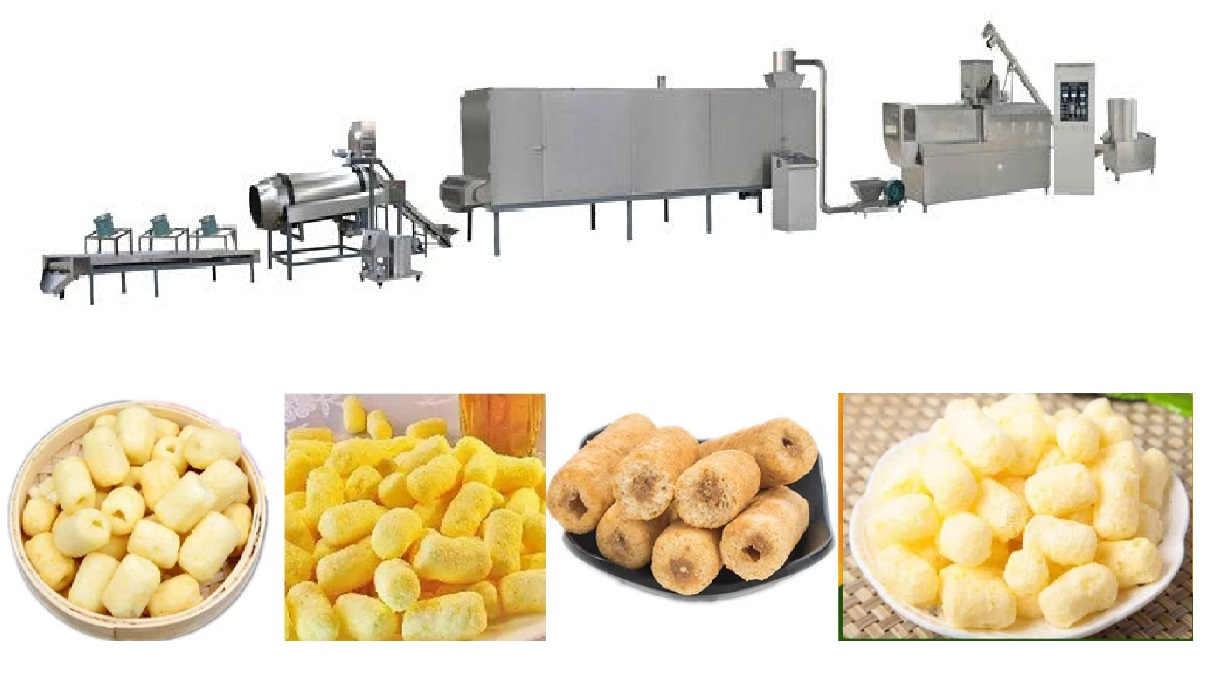
No two businesses are exactly alike, yet off-the-shelf solutions force them into a one-size-fits-all mold. These generic tools often lack the flexibility to adapt to unique workflows, leading to frustrating workarounds that eat into productivity. Instead of bending your processes to fit the software, true efficiency comes from shaping the software around your actual needs—something pre-packaged products simply can’t offer.
Over time, the hidden costs of “ready-made” become undeniable. You’ll pay in lost hours wrestling with features you don’t use, in data trapped inside rigid systems that don’t talk to each other, and in missed opportunities because the tool can’t scale in the direction your business is headed. Customization isn’t just about building something new; it’s about avoiding the dead ends built into standardized platforms.
When you choose tailored development, you’re investing in precision—every feature earns its place because it solves a real problem. There’s no bloat, no awkward fit, just a seamless extension of how your team already works. That level of alignment doesn’t happen by accident; it requires a deliberate move away from the convenience myth of off-the-shelf toward a solution that grows and evolves with you.
Quality Beyond the Certificate
Certifications mark a baseline, but real quality lives in the decisions made when no auditor is watching. It’s the extra inspection on a Friday afternoon, the supplier audit that goes deeper than a checklist, and the way teams talk about defects—not with blame, but with curiosity. This mindset turns standards into living habits rather than framed documents.
What sets organizations apart is how they infuse quality into the unscripted moments. It’s evident in how a frontline employee halts production without hesitation when something feels off, or how feedback from the shipping dock shapes the next design iteration. These patterns aren’t demanded by any certificate; they emerge from a culture where ownership and continuous improvement are simply how work gets done.
The Support You Get When Things Go Wrong
We understand that technical hiccups and unexpected challenges are part of any journey. That's why our support team doesn't just follow scripts—they listen, investigate, and work with you until everything is back on track. Whether it's a billing snag, a feature not behaving as expected, or simply a moment of confusion, you'll find real humans ready to help, without the runaround.
But support isn't just about fixing breaks. It's about ensuring you feel confident moving forward. We often reach out with personalized tips, proactive alerts, and shared insights from similar situations we've resolved. You're not left to figure things out alone; we're in your corner, turning setbacks into stepping stones.
Budget Smarts: Look Past the Initial Price Tag
It’s easy to get caught up in a low sticker price, but the real cost often unfolds over time. That budget-friendly gadget might need expensive accessories or repairs within months, turning a deal into a drain. Smart spending means asking what you’ll actually pay in the long run, not just at checkout.
Consider how often you’ll use an item and what it takes to keep it running. A cheap printer, for instance, can demand pricey ink cartridges that quickly eclipse the original cost. Energy consumption, replacement parts, and even disposal fees can add layers to a seemingly straightforward purchase.
Shifting your mindset from upfront savings to lifecycle value lets you spot the true bargains. A higher-priced option that lasts years often beats a disposable alternative, and factoring in time, effort, and hidden fees protects your wallet from surprises. This approach turns budgeting into a long-term strategy rather than a one-time calculation.
Real Stories from the Production Floor
On a humid Tuesday morning, the conveyor belt at Line 4 shuddered to a halt. Maria, the shift lead, didn't wait for the maintenance crew—she crawled under the rollers herself, emerged with a greasy smile, and held up a single jammed bolt. "That'll do it," she said, and the line roared back to life. No memos, no meetings, just know-how.
Over in packaging, the new automated carton sealer had everyone baffled until Dave, who'd been there since the manual-tape-gun days, noticed the sensors were fogged from the humidity. A quick wipe with an old bandana, and the machine was singing. These moments don't make the quarterly reports, but they're the heartbeat of the production floor.
FAQ
Look beyond certifications and examine their material sourcing, precision engineering processes, and real-world performance data from existing clients. A manufacturer that prioritizes quality will openly share details about their testing protocols and offer trial runs to demonstrate consistency in output.
Request detailed throughput rates under varying conditions, not just maximum capacity. Inquire about energy consumption per unit of output, automation level, and the design's ability to minimize downtime for cleaning and maintenance. A reliable partner will provide case studies or site visits to validate their claims.
After-sales support is critical for long-term efficiency. Ask about spare parts availability, response time for technical assistance, and whether they offer on-site training. A manufacturer with a strong service network can prevent costly disruptions and help you optimize the line over time.
Standard lines work for common products, but customization can provide a competitive edge. Evaluate if the manufacturer can tailor the line to your specific recipe, product shape, and packaging needs without inflating costs or timelines. Their willingness to collaborate on R&D is a good sign of a true partnership.
Speak directly with their current clients, not just the references they provide. Visit trade shows to see their equipment in action and talk to operators. Pay attention to how they handle complaints or past issues – transparency here is more valuable than a spotless record.
Beyond the purchase price, factor in installation, training, energy costs, wear parts, and scalability. A slightly more expensive line that uses less energy and requires fewer replacements can be cheaper in the long run. Clarify what’s included in the warranty and how upgrades are managed.
Conclusion
Finding a reliable puff snack production line manufacturer goes beyond browsing glossy brochures and spec sheets. You need a partner who genuinely understands snack science—the interplay of moisture, starch gelatinization, and extrusion variables that turn raw ingredients into perfectly expanded, crispy puffs. Too often, equipment builders offer cookie-cutter setups that ignore your unique recipes. A top-tier manufacturer dives deep into your product's rheology, adjusts screw profiles, barrel temperatures, and die geometries, and test-runs your actual formulations before shipping a single bolt. This scientific groundwork avoids costly trial-and-error on your floor and ensures consistent texture and taste from day one. Combine that with true customization—not just swapping motors or conveyors, but engineering the entire line around your current and future portfolio. Off-the-shelf solutions might handle a basic cheese curl, but when you want a multi-grain crisp, a protein-infused ring, or a layered filled snack, a flexible, custom-built line becomes essential. The right partner treats your line as a living system, designed to evolve alongside market trends.
Quality goes far deeper than an ISO certificate gathering dust on a wall. You want a manufacturer whose quality ethos is baked into every step—from raw steel sourcing and precision machining to rigorous in-house testing under real production loads. Examine their track record: not just uptime stats, but how they handle breakdowns. A great partner offers rapid remote diagnostics, local service depots, and emergency part shipments without quibbling over warranty fine print. Budget smarts matter, too: a temptingly low initial price often masks flimsy components, higher energy consumption, and frequent downtime that quietly bleed your margins. Calculate total cost of ownership over a decade, factoring in maintenance contracts, spare part availability, and scrap rates. Finally, listen to stories from factory floors. Talk to operators and maintenance crews who use the equipment daily—they'll reveal truths about ergonomic design, ease of cleaning, and hidden annoyances that spec sheets omit. The best manufacturers earn loyalty through years of quiet reliability, adapting their machines to your feedback and celebrating your production wins as their own.
Contact Us
Contact Person: LILY SUN
Email: [email protected]
Tel/WhatsApp: 0086-13969103791
Website: https://www.snackfoodmachinery.com/