

Superman Costume Recommendations: The Ultimate Buyer's Guide
2026-06-04
Stepping into the iconic red cape isn’t just about wearing a costume—it’s about embodying hope. But finding a Superman suit that fits your vision can be harder than leaping tall buildings. At CCosplay, we’ve done the cape work for you. Dive into our buyer’s guide for recommendations that balance screen accuracy, comfort, and durability.
Beyond the Cape: Nailing the Authentic Superman Look
The real magic of Superman’s appearance isn’t in the cape alone—it’s in the attitude that carries it. When you step into that suit, you’re not just wearing primary colors; you’re adopting a posture of quiet strength and unflinching optimism. Forget the overly padded movie replicas that make movement stiff. The authentic look lives in a tailored fit that moves with you, a chest emblem that sits naturally, and the way you carry your shoulders like someone who’s comfortable being the symbol of hope. If the cape drags on the floor or the boots pinch, it’ll show in your stance long before anyone snaps a photo.
Details separate a costume from the genuine article. The 'S' shield shouldn’t look like a plastic lunchbox stuck to your chest; it should feel integrated, with just enough texture to catch light without screaming for attention. Colors matter more than you think—a slightly muted blue and a deep, warm red often read better under everyday lighting than the candy-colored spandex from a party store. And don’t overlook the hair. That classic spit curl isn’t just a stylistic choice; it’s part of the silhouette. If your hair can’t hold a natural wave, a touch of matte product beats a shellacked helmet every time. The goal is to look like you walked out of a Kansas wheat field, not a makeup trailer.
Ultimately, pulling off Superman isn’t about imitation—it’s about owning the quiet confidence that makes the character timeless. Real authenticity comes when you stop worrying about whether the cape is precisely 30 inches wide and start embodying the calm, approachable demeanor that Clark Kent would have, even when nobody’s watching. Smile like you mean it, stand like you’re ready to help, and let the suit be an extension of that rather than the main event. That’s when you stop being someone in a costume and start being the Man of Steel.
Suited for Saving the Day: Choosing the Right Fabric
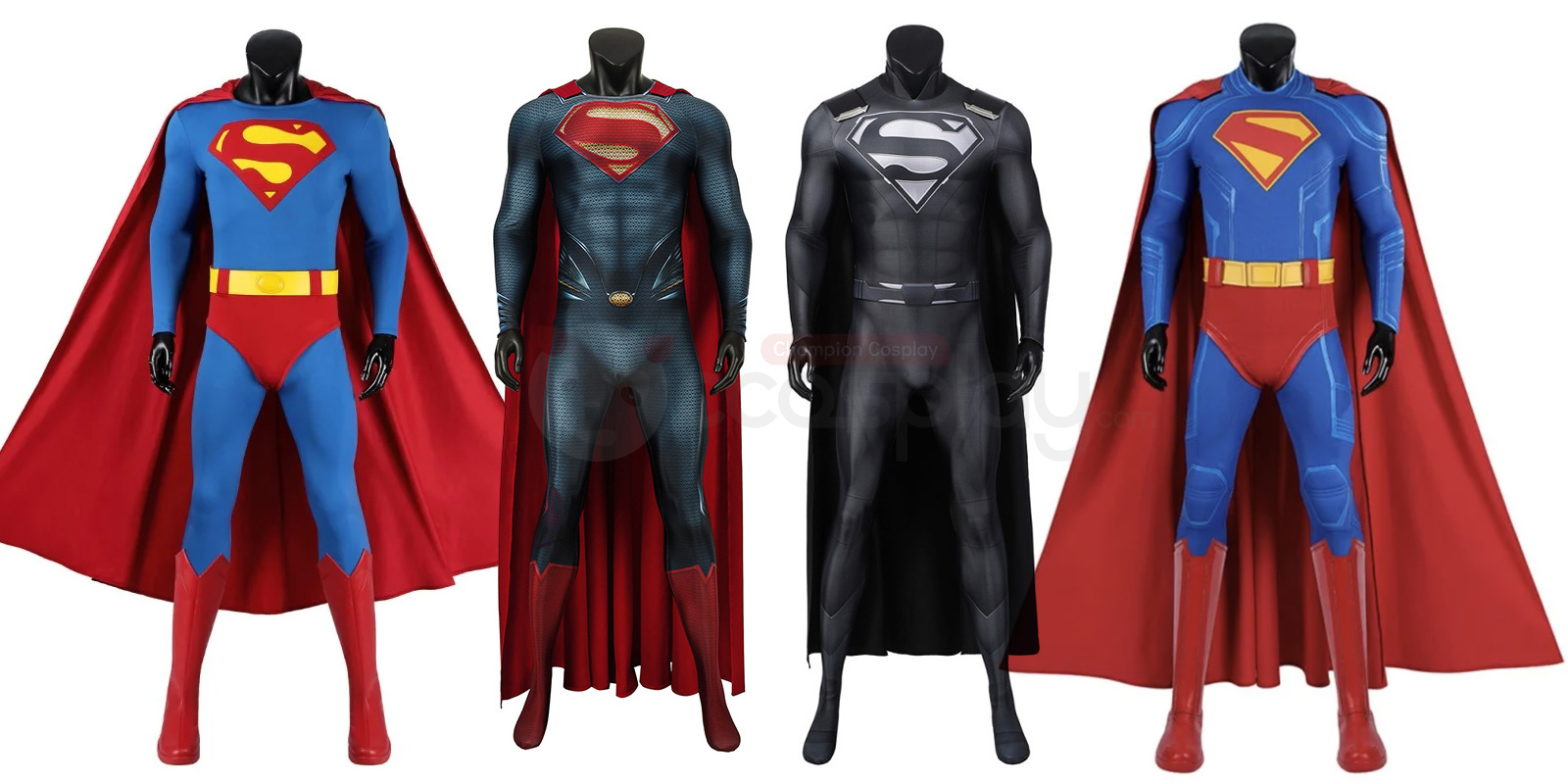
Nobody wants to be halfway through saving the day only to realize their outfit is working against them. A hero's fabric has to do more than just look the part—it needs to stretch without losing shape, wick moisture during high-speed pursuits, and resist tears when things get rough. The right blend of performance fibers can mean the difference between a confident rescue and an embarrassing wardrobe malfunction in front of the whole city.
Think beyond basic cotton or stiff synthetics. Modern heroics demand materials with four-way stretch and temperature-regulating properties, so you stay cool when the heat is on—literally. A brushed inner face feels gentle against the skin during long patrols, while a durable outer shell fends off abrasions from grappling hooks or unexpected debris. It's the quiet engineering that lets you focus on the mission, not on chafing seams or restrictive cuts.
And let's talk about the invisible details: strategically placed mesh panels that vent before you overheat, reinforced stitching on pressure points, and a cut that moves with your body—not against it. The best fabric won't just survive the action; it'll make you forget you're wearing anything at all. That's the real secret to showing up ready, no matter what the day throws your way.
Heroic Fit: How to Get the Perfect Silhouette
Achieving that flawless silhouette starts with understanding your body's unique structure. Tailoring is the secret weapon most people overlook—it transforms even a simple off-the-rack piece into something that seems custom-made for you. Focus on the shoulders, waist, and hips; a jacket that gently skims your frame without pulling, trousers that break just above the shoe, and sleeves that end exactly at the wrist bone all contribute to a clean, powerful line. Don't be afraid to tweak the details, because a quarter-inch adjustment can make all the difference.
Fabric choice plays a subtle but critical role. Stiff, unyielding materials hide your shape, while fabrics with a bit of drape and movement emphasize it in all the right ways. Look for wool blends with a touch of cashmere, or cotton with a slight stretch—they hold their structure yet adapt to your body as you move. The goal isn't to squeeze into something, but to let the clothing echo your natural stance, creating that heroic, confident outline that feels as good as it looks.
Finally, pay attention to proportion. If your outfit balances volume and sleekness—say, a fitted top with wide-leg trousers, or a structured blazer over a slim shirt—you guide the eye fluidly, building a cohesive shape. Experiment in front of a full-length mirror, and trust what you see: the perfect silhouette is the one that makes you stand a little taller.
Saving the World Without Breaking the Bank: Budget Tips
You don’t need a fat wallet to cut down on waste. Start by repurposing glass jars as storage for pantry staples or leftovers—it’s free and keeps plastic out of the trash. Cloth napkins and rags made from old t-shirts replace endless paper towels, and they feel nicer, too. Simple habits like these add up over time, and your grocery bill stays low.
Energy bills often spike without us noticing. Unplug gadgets when they’re idle, because even in standby mode they sip power. Wash clothes in cold water; most detergents work just as well and your machine uses far less electricity. Small tweaks like sealing drafty windows with cheap weatherstrips can slash heating costs in winter.
Outdoor spaces offer easy wins. Collect rainwater in a barrel for your garden—plants prefer it, and it cuts your water meter. Grow herbs on a sunny windowsill instead of buying plastic-packed supermarket ones. Composting kitchen scraps reduces rubbish and gives you free soil booster, no fancy setup required.
The Devil's in the Details: Emblems, Boots, and Beyond
A scuffed leather boot resting on a weathered porch rail tells more about a character than pages of exposition ever could. The way the stitching strains near the toe, the faint ghost of a spur strap, the uneven wear on the heel—these small truths accumulate into something undeniable. When crafting a world, it’s often the overlooked emblems, the things characters touch without thinking, that bridge the gap between the page and a place that feels lived-in.
Take emblems: a faded insignia on a jacket, a ring worn thin from decades of nervous twisting, a patch sewn crookedly by someone who was never good with a needle. These aren’t just decorations; they’re compressed stories. A unit patch might signal a loyalty long outgrown, while a family crest can become a silent accusation. The object itself is inert, but the layers of meaning it carries shift depending on who’s looking—and that’s where the tension hides.
Boots carry similar weight. What a person does all day shapes the sole in ways no factory can replicate. A logger’s boots are scarred by saw teeth; a dancer’s are worn paper-thin at the ball of the foot. The scuffs and creases map a life, and paying attention to that map transforms a costume piece into a character detail. Sometimes the story isn’t in the grand speech but in the quiet evidence of a limp that deepens when it rains, the way a cobbler’s hands remember arcs and pressure points long after the shoes are out of sight.
From Classic to Modern: Exploring Different Superman Styles
The classic Superman, born in the pages of Action Comics #1, was a rough-edged champion of the oppressed—a social crusader who took on corrupt landlords and abusive husbands as often as mad scientists. His costume was slightly loose, his smile a bit mischievous, and his powers, while still incredible, felt more grounded in the sci-fi optimism of the 1930s. This Superman seemed like an idealized immigrant story, a stranger in a strange land who used his extraordinary gifts to help the common man, not just fight interdimensional threats. The simplicity of his early adventures had a raw, almost pulp energy that still resonates today.
As decades passed, the Man of Steel evolved into something more mythic. The Silver Age brought a sleek, impossibly powerful Superman who could juggle planets and sneeze away solar systems, his stories often leaning into whimsical absurdity. Then, the modern era stripped him back down—John Byrne’s 1986 reboot made Clark Kent the real identity and Superman the disguise, grounding him with relatable, small-town roots. Christopher Reeve’s films captured this duality perfectly, blending boyish charm with genuine nobility. Modern interpretations like Henry Cavill’s version wrestled with moral ambiguity and the weight of godlike power, while small-screen takes like Tyler Hoechlin’s Superman returned to a more hopeful, family-oriented hero. Each iteration reflects the anxieties and aspirations of its time.
Yet across these many styles, certain threads remain unbroken: the cape, the crest, the unwavering belief that humanity is worth saving. The classic emblem of hope has been reimagined through diverse lenses—from the Art Deco futurism of the Fleischer cartoons to the textured, alien design of the DCEU. Some artists emphasize the alien, others the farm boy, but the character’s enduring appeal lies in his flexibility. Whether he’s drawn with the clean, muscular lines of Curt Swan or the dynamic, almost sculptural figures of modern digital art, each variation adds a new shade to the timeless symbol. Exploring these different Superman styles is really a tour through the evolution of heroism itself.
FAQ
Focus on the fabric first. A sturdy yet flexible material like a cotton-polyester blend with a bit of spandex holds its shape and allows movement. Check the emblem – it should be raised or embroidered, not just a flimsy print. Seams need to be reinforced, especially around the shoulders and waist, so they don't pop after one wear. A hidden zipper on the back or side keeps the look clean, and the cape should attach securely, not just with flimsy Velcro.
Don't rely solely on standard sizing charts – measure your chest, waist, and inseam first. Muscle-padded costumes often run small in the chest, so if you're between sizes, go up. For fitted bodysuits, the fabric stretch matters: if it's less than 10% spandex, expect a snug fit and consider ordering a size larger for comfort. If you can, read reviews for real-world fit feedback, especially about length – too short and the boot covers won't sit right.
You'll generally find three main vibes: classic comic book, movie replica, and modern reinterpretations. The classic features bright blue, red trunks, and a yellow belt – perfect for nostalgic fans. Movie replicas tend to be darker, with textured fabrics and a muted, armored look. Modern styles might ditch the trunks, use a higher collar, or incorporate layered muscle shading. Then there are deluxe collector editions with leather-like capes and detailed sculpting, and simple printed spandex ones for casual dress-up.
Everyday wear is tricky with a full costume, but you can incorporate pieces. A sublimated Superman t-shirt or a zip-up hoodie with the emblem design works casually. For actual bodysuits, they're typically reserved for conventions, Halloween, or themed parties because they grab a lot of attention and can be warm. If you want to rep Superman daily, think about accessories like cap-backpacks or subtle emblem jackets that give a nod without going full spandex.
The cape is non-negotiable – detachable ones add drama but make sure it's long enough to drape properly. Boot covers that slide over your shoes are easier than full boots and often have a better fit. A good belt with a brass-like buckle anchors the waist, and don't forget the iconic curl: a wig or a solid hair wax will get that front sweep just right. If you're going for authenticity, a distressed daily planet press badge pinned inside the cape adds a nice touch.
Always turn it inside out and hand wash in cold water with a mild detergent – never use fabric softener, it breaks down the elastic. Air dry flat, away from direct sunlight to prevent colors from fading, especially the reds. Store it on a padded hanger to keep the shoulders from stretching, and if the cape has wire in the hem for posing, coil it carefully to avoid kinks. Spot clean the emblem gently; harsh rubbing can lift the edges.
Look beyond mass-market party stores – independent costume makers on platforms like Etsy often use better fabrics and offer custom sizing. For commercial options, licensed deluxe editions from Rubies or Disguise tend to balance quality and price. If you prioritize comfort, seek out a 'premium' or 'muscle' version with breathable mesh panels under the arms. Check for reinforced knees if you expect to kneel for photos, and always inspect the zipper quality before buying.
Conclusion
Achieving an authentic Superman look goes far beyond simply throwing on a cape. The right fabric is crucial—you need materials that look heroic but also allow for comfortable movement, whether you're posing for photos or attending a convention. A quality costume should mimic the iconic suit's sheen without looking cheap, and breathable fabrics will keep you cool under pressure. Equally important is the fit. A true Superman silhouette emphasizes broad shoulders and a tapered waist, so avoid baggy cuts. Look for costumes with structured padding or consider tailoring for a custom feel. Even off-the-rack options can work if you choose the right size and adjust minor details.
You don't need a superpower-sized budget to look the part. Plenty of affordable options capture the essence without sacrificing quality—focus on solid construction and accurate colors rather than premium brand names. The magic is in the details: a crisp, well-placed emblem, sturdy boots with the right heel shape, and a belt that sits naturally. Mixing modern and classic elements can help you stand out; for example, pairing a traditional suit design with subtle texture upgrades or a slightly muted palette. Whether you lean toward the vintage comic look or a sleek cinematic style, personalizing your costume with these finer points will make it unmistakably Superman.
Contact Us
Contact Person: Sunny
Email: [email protected]
Tel/WhatsApp: +86-180-1086-8579
Website: https://www.ccosplay.com