

Top 10 Cat Litter Making Machine Options for Efficient Production
2026-11-16
As the demand for high-quality cat litter continues to surge, manufacturers are on the lookout for equipment that balances speed, consistency, and cost-efficiency. Sorting through the countless machines on the market can feel overwhelming, especially when every supplier claims to offer the best solution. That’s why we’ve narrowed down the top 10 cat litter making machine options for efficient production—each selected for its proven performance, durability, and value. Among the standout choices, MINGDE has earned a reputation for robust engineering and smart automation, helping producers scale without sacrificing quality. Whether you’re upgrading an existing line or building a new facility from scratch, this list will point you toward the equipment that truly delivers.
Output Capacity: Finding the Sweet Spot for Your Operation
Determining the right output capacity isn't about chasing the highest number on a spec sheet. It's about aligning your production ceiling with how demand actually behaves week to week, not just during peak season. A line that runs at 95% utilization might look efficient on paper, but it leaves no room for the unexpected: a key supplier delay, a sudden quality hold, or a large last-minute order from a good customer. When every minute is already spoken for, those disruptions cascade into missed deadlines and expedited shipping costs that quietly eat your margin.
The sweet spot usually sits somewhere between 75% and 85% of theoretical maximum, though the exact figure depends on your mix volatility and changeover complexity. If your product range shifts frequently, you need more buffer because each switch eats into productive time and raises the risk of startup scrap. Conversely, if you run long, stable batches with minimal variation, you can push closer to the upper bound without sacrificing reliability. The key is to measure not just throughput, but also the variance around it—two lines with the same average output can have very different on-time delivery records.
Rather than treating capacity as a fixed number, think of it as a dial you adjust based on realistic scenario planning. Map out what happens to lead times, overtime costs, and defect rates if you run at 70%, 85%, or 95% for a month. Often the difference in total units shipped between 85% and 95% is surprisingly small, while the strain on equipment, people, and quality systems grows sharply. Finding your sweet spot means accepting that some idle time is not waste—it's insurance that keeps your promises to customers without burning out your team or your machines.
Die and Roller Design: The Heart of Pellet Quality
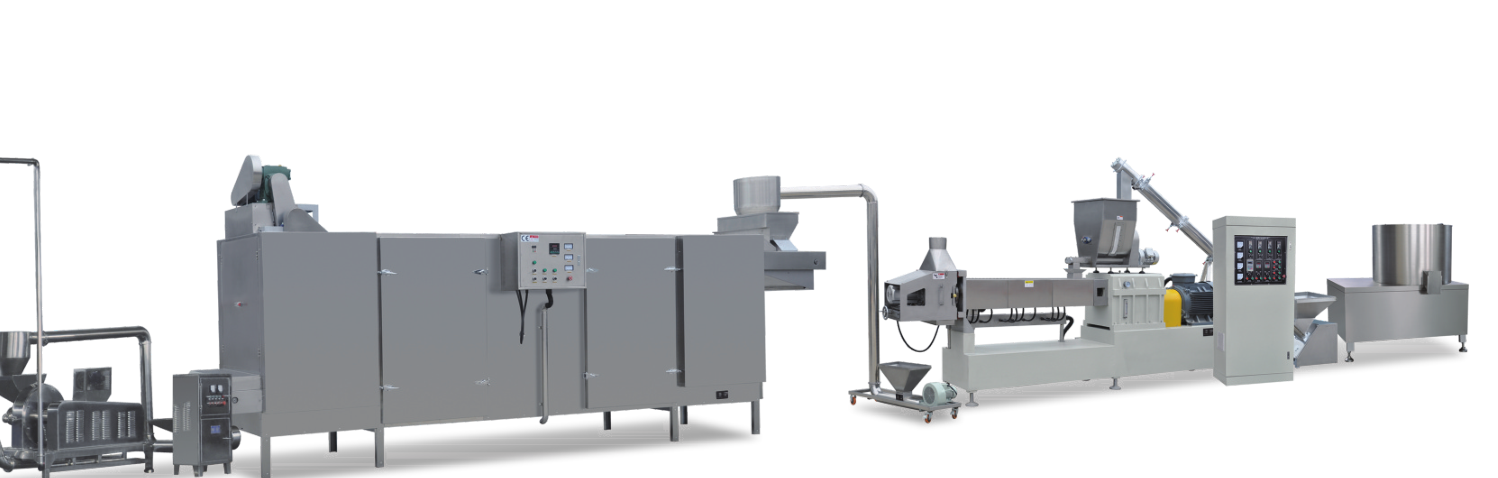
The geometry of the die and rollers determines how force is applied to the feed mash, and small changes here cascade into measurable differences in pellet durability. A thicker die, for instance, increases compression time inside the hole, which helps bind fibrous or high-starch formulations, but it also generates extra heat and can slow throughput. Matching the die hole diameter to the intended animal species is not a universal setting—what works for a broiler pellet often fails for a dense aquatic feed.
Roller alignment and surface condition shape this interaction further. Rollers must sit close enough to the die to build pressure without causing metal-on-metal wear, and the gap often needs to shift with feedstock density. A roller with worn edges or uneven wear bands produces unpredictable pressure across the die face, leading to soft spots in the pellet line and increased fines at the cooler. Many mills overlook this until output drops noticeably.
The best die and roller combinations are treated as living systems rather than fixed components. Routine inspection under load, tracking of die wear patterns, and adjusting roller speeds to compensate for slip can maintain pellet quality long after initial installation. Operators who measure hardness and fines at the press rather than at the bagging line can catch deviation early, reducing both energy waste and customer complaints.
Power Usage: Real Numbers from Running Different Machines
Most people guess their gear sips a few watts, but the meter tells a different story. A compact mini PC idling at the desktop usually pulls between 6 and 10 watts, while a full-size tower with a discrete GPU can sit closer to 40 or 50 watts before you even open a browser. Start a video transcode and that same tower jumps to 180 watts, sometimes more if the power supply is older or the cooling fans ramp up.
Laptops are far less thirsty, but the spread is wide. A thin-and-light with an ARM chip often runs under 8 watts during video playback, whereas a gaming laptop plugged into an external monitor can hover near 100 watts under load. Network gear adds up too: a four-bay NAS with spinning drives typically lands between 25 and 35 watts, and an unmanaged switch with PoE devices can draw 15 to 45 watts depending on how many cameras or access points are attached.
The real surprise is usually the always-on stuff. A modem, router, and a couple of smart home hubs might total 20 to 30 watts continuously, which works out to roughly 175 to 260 kilowatt-hours a year. That is often more than the yearly energy used by an efficient laptop that gets used daily but shut down at night.
How Much Automation Do You Actually Need?
Before you start wiring every process into a software bot, step back and ask what actually drains your time. Many teams jump straight to full automation, only to discover that a simple spreadsheet or a weekly manual review would have solved the problem faster and with far less maintenance. The real question isn't how much you can automate, but how much friction is worth removing compared to the effort of building and babysitting the automation itself.
A useful rule of thumb is to measure repetition and exception rates. If a task happens dozens of times a day with nearly identical steps and clear inputs, it's a strong candidate. But if each run requires judgment calls, edge-case handling, or frequent updates to the logic, partial automation might be the smarter move. Automate the boring 80 percent, leave a human checkpoint for the messy 20 percent, and you'll avoid the trap of spending more time debugging workflows than doing the actual work.
Also consider the lifespan of the task. Short-term projects or one-off data migrations rarely justify building a robust automation suite. Save that energy for recurring processes that will still exist six months from now. The goal isn't to eliminate every manual click; it's to free up enough mental bandwidth so your team can focus on work that genuinely benefits from human attention.
Maintenance Traps That Cause Unplanned Downtime
Many plants still treat maintenance as a break-fix chore, but that mindset quietly invites unexpected failures. When teams postpone bearing lubrication or ignore slight vibration changes, they're not saving time—they're borrowing trouble. Small neglect compounds fast, and suddenly a critical pump seizes during peak production. The real cost isn't just the repair; it's the lost output, the rushed overtime, and the scrambled logistics that follow.
A common trap is the "run-to-failure" approach on non-critical assets, assuming they won't impact the line. Yet a failed cooling fan or a worn conveyor roller can halt an entire process just as effectively as a major machine breakdown. Without condition monitoring or simple inspection routes, these small components become hidden time bombs. Operators often notice unusual noise or heat but lack a clear way to escalate it before it becomes an emergency.
Another trap lies in outdated preventive maintenance schedules that don't match actual usage. Over-lubricating can be as harmful as under-lubricating, and replacing parts on a calendar basis may waste money while missing true wear patterns. Teams that rely on generic checklists instead of real-time data end up maintaining the schedule rather than the machine. Shifting to predictive triggers—based on temperature, vibration, or runtime—keeps unexpected downtime from hijacking your production plan.
Handling Different Litter Materials Without Constant Adjustments
The key to handling various litter types without constant tweaks lies in understanding how each material behaves under normal use. Clay clumping litter, for instance, forms solid masses when wet, so a sifting scoop with narrow slots works best to separate waste without breaking clumps. On the other hand, silica gel crystals absorb moisture slowly and need a scoop with wider gaps to let unused crystals fall through while trapping soiled areas. Pine pellets break down into sawdust when wet, which calls for a two-step process: first remove solid waste with a standard scoop, then gently shake the pan to sift the fine particles into a separate tray. By matching your scoop style and cleaning motion to the litter type, you can keep the box in good shape without reaching for any settings or adjustments.
Another practical approach is to set up a routine based on the litter’s natural lifespan rather than reacting to odors or clumping failures. A non-clumping clay litter will need a full change every few days because it holds urine throughout the box, while a high-quality clumping litter may only need spot cleaning and a top-up for several weeks. Using a liner with a drawstring or a pan with a built-in sifting tray can further reduce the need to adjust anything during maintenance. For mixed-material households, keep a separate scoop for each litter box to avoid cross-contamination of residue, and stick to a consistent depth of two to three inches—too little causes sticking, too much leads to waste buildup. These small habits prevent the feeling that you are constantly fighting the litter’s quirks.
Finally, ignore the urge to switch products frequently or alter cleaning schedules based on temporary issues like dust or tracking. Most litter materials perform predictably once you accept their inherent trade-offs. If a litter tracks more than you like, place a textured mat outside the box instead of changing the litter itself. If odor rises sooner than expected, increase the frequency of waste removal by one extra scoop per day rather than adding deodorizers or mixing in new litter types. Consistency with the chosen material’s requirements—not constant adjustment—keeps the box stable, reduces stress for both cat and owner, and saves time over the long run.
FAQ
Flat die machines are simpler and cheaper, good for small runs and mixed recipes. Ring die units handle continuous high-volume output but wear parts cost more and they're less forgiving with sticky or high-moisture mixes.
Yes, if you plan for quick die changes and separate mixing or drying stages. Bentonite-heavy clumping formulas often need more compression and lower moisture, while non-clumping wood or paper blends may require pre-conditioning and a longer cooling conveyor.
Most small brands start around 300-800 kg per hour. Below that, labor costs eat your margin. Above that, you're paying for downtime unless you already have distribution. Buy based on weekly sales, not a single big order.
It's not optional. Fine dust from bentonite or silica can damage bearings and create a health hazard. Look for sealed conveyors, negative pressure at transfer points, and a cyclonic separator or baghouse on the cooling section.
No. The best options handle multiple inputs: recycled paper, pine shavings, corn cob, tofu residue, even cassava. But each material changes the screw or die configuration, so don't assume one setup works for all.
Expect to inspect dies, rollers and bearings every 200-300 running hours. Lubricate daily. Replace wearing parts every 3-6 months depending on silica content. Keep a spare die on hand, because lead times can be 4-8 weeks.
Most pellet mills or extruders only shape the material. If your moisture is above 12-15% going in, you need a dryer before or after. Some compact lines include an integrated belt dryer, but they cost more and still need proper airflow.
Choosing based on motor horsepower alone. Torque, die compression ratio, and material flow design matter more. A high-hp motor with a poorly matched die will just jam and wear fast. Ask for a trial with your actual recipe before paying.
Conclusion
When narrowing down the top ten cat litter making machines for efficient production, output capacity is rarely a one-size-fits-all number. A unit rated at 300 kg/h might look impressive on paper, but if your daily batch rarely exceeds half a ton, you will waste energy heating oversized dies and rollers. Conversely, pushing a compact machine to its limit for eight hours straight accelerates wear on bearings and gearboxes. The real sweet spot comes from matching the machine's continuous duty rating to your peak demand while leaving about 15 percent headroom. Die and roller design sits at the core of pellet quality. Litter pellets need consistent density and length, which means the die compression ratio and roller clearance have to be tuned for materials like bentonite, tofu residue, or recycled paper. A poorly machined die with uneven hole finishes will produce crumbly pellets that fall apart in the litter box. Hardened alloy surfaces resist the abrasive nature of clay-based inputs far longer than standard steel, and that single upgrade can extend die life by several months.
Power usage often hides in the background until the monthly electricity bill arrives. Real numbers from running different machines show that a 15 kW motor might consume nearly double the energy per ton of output compared to a 30 kW unit if the smaller machine runs constantly at full load while the larger one cycles on and off. Automation level is another fork in the road: a fully automatic line with PLC control and auto-lubrication saves labor but demands skilled technicians, while a semi-automatic setup is easier to troubleshoot but ties up an operator for most of the shift. Maintenance traps frequently cause unplanned downtime—blocked die holes, neglected grease points, and misaligned rollers are the usual culprits. A machine that allows quick die removal and visual inspection windows will keep production moving. Finally, handling different litter materials without constant adjustments means looking for variable-speed feeders and adjustable roller gaps, because switching from high-moisture tofu litter to dry clay should not require an hour of recalibration. The best options on this list combine a robust die and roller assembly, honest power consumption figures, sensible automation levels, and forgiving maintenance schedules, which is what actually separates efficient production from frustrating trial runs.
Contact Us
Contact Person: LILY SUN
Email: [email protected]
Tel/WhatsApp: 0086-13969103791
Website: https://www.snackfoodmachinery.com/