

Top Color Changing Cup Vendor Reveals Secrets to Stunning Custom Drinkware
2026-07-26
Ever wondered how top vendors create color changing cups that leave a lasting impression? At APEXAL, we're pulling back the curtain on the secrets behind stunning custom drinkware. From material magic to design tricks, get ready to transform ordinary cups into conversation starters.
How Color-Changing Technology Actually Works
At the heart of most color-changing innovations lies a class of compounds called photochromics. These molecules react to ultraviolet light by altering their chemical structure. In their natural state, they appear transparent or lightly tinted, but once exposed to sunlight, their bonds rearrange, causing them to absorb visible light and appear darker. It's a reversible process, driven purely by energy from the sun—no batteries required.
Thermochromic materials take a different approach, responding to heat instead of light. You've likely seen them in mood rings or temperature-sensitive coffee mugs. Here, liquid crystals or leuco dyes shift their molecular orientation or chemical form when the temperature crosses a certain threshold. The result? A visible color change that can be engineered to kick in at very specific temperatures, from a gentle 15°C to a scalding 45°C.
Then there's electrochromism, the silent worker behind smart windows and auto-dimming mirrors. A small electric current triggers ions to migrate within a thin film, altering how the material absorbs and reflects light. Unlike photochromic lenses that react to UV, these systems give you manual or automatic control, letting you dial in just the right tint. It's slower than other methods but offers a level of precision that's transforming architecture and automotive design.
Material Matters That Most Sellers Won't Discuss
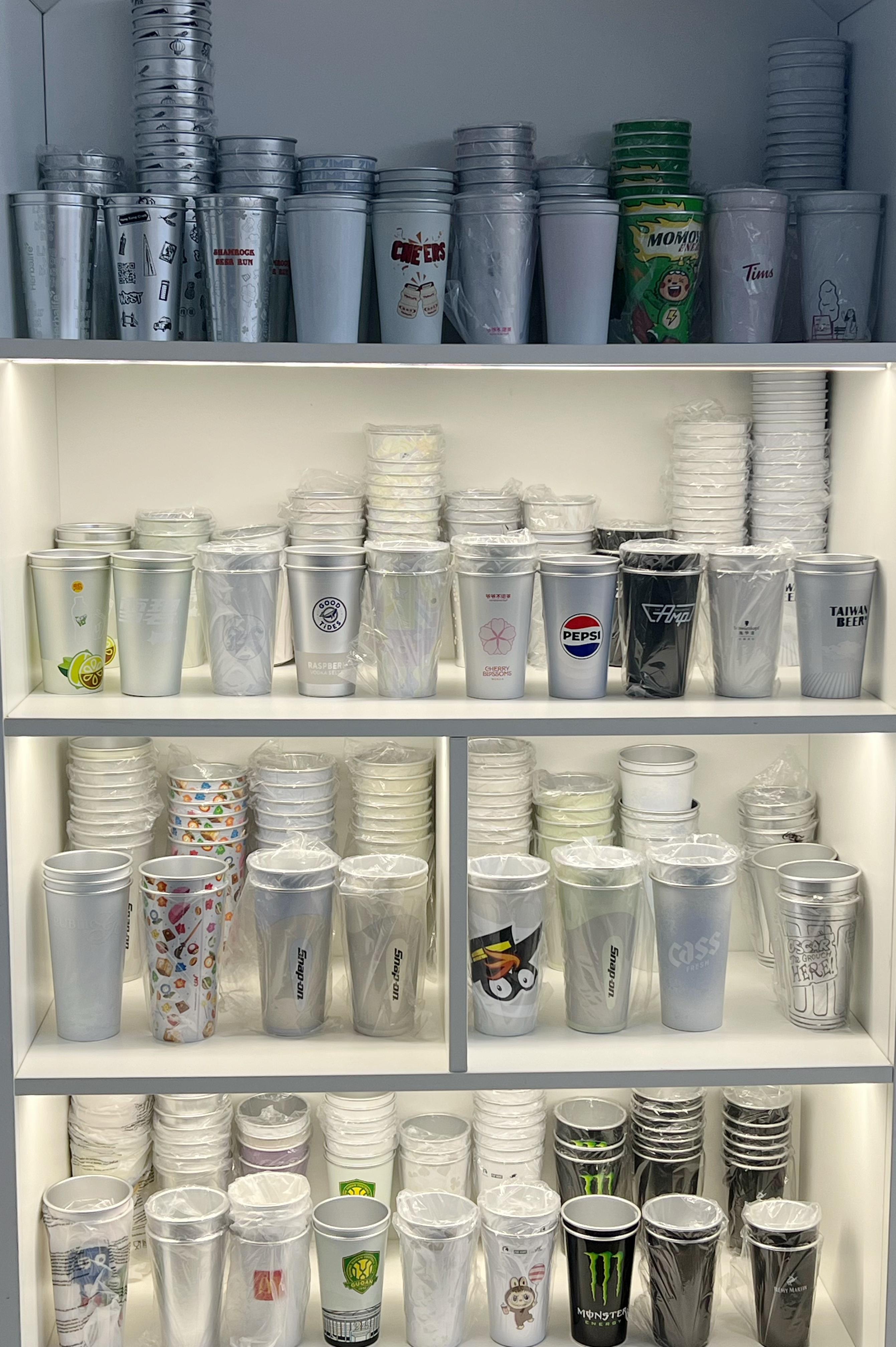
Many sellers stay remarkably quiet about where their materials actually come from and how they hold up over time. It's not uncommon to see a product with a flawless exterior that belies a core made from the cheapest possible composites. The reality is that cost-cutting often wins out over transparency, leaving you with something that looks great out of the box but starts to show wear faster than expected. By the time you notice the peeling, warping, or fading, the return window is long gone—and no one is eager to talk about that when they're trying to make a sale.
Another uncomfortable truth is the chemical side of things. Some materials off-gas volatile organic compounds or contain additives that can irritate sensitive skin, yet you'll rarely see this volunteered in product descriptions. Sellers bank on the fact that most people won't dig into safety data sheets or question a vague "blended fabric" label. Durability issues are also swept under the rug—thin coatings that crack under normal use, textiles that pill after a few washes, or metals that corrode in everyday humidity. These aren't secrets because they're harmful in the short term; they're secrets because acknowledging them would mean admitting that the shiny deal isn't quite the bargain it seemed.
Design Tricks for Maximum Visual Impact
Sometimes it’s the smallest shifts that hit hardest. A deliberately off-center focal point, a whisper of negative space where the eye expects noise—these are the quiet rebels of visual design. The trick isn’t to shout louder, but to defy the brain’s autopilot. When you break a predictable grid with a single element bleeding past the margin, you create a controlled riot on the page. It’s the visual equivalent of a pause in music, and it demands attention because it’s unexpected, not because it’s loud.
Color, too, has more cunning than we often give it credit for. Instead of the usual harmonious palette, try a lone dissonant accent—a slash of neon in a muted field, or a deep shadow where highlights usually live. This kind of strategic discord doesn’t just catch the eye; it holds it, forcing a second look to resolve the tension. And when that tension is paired with motion, even the illusion of it, the impact multiplies. A still photograph with lines that pull the gaze diagonally across the frame, or typography that seems to push beyond its boundaries, can feel more alive than any animation.
Scale, of course, is the oldest trick in the book, but it’s often misused. The real power lies not in making everything big, but in contrast—a single enormous element next to something microscopic. This jolts the brain into reassessing spatial relationships, making the familiar suddenly strange. And texture, that often-forgotten layer, adds a tactile phantom punch. A glossy surface next to matte, a simulated grain on an otherwise flat design—these subtle frictions create depth without the weight, inviting the viewer to almost reach out and touch the design. In the end, maximum impact comes from the careful deployment of surprise, tension, and the unexpected dialogue between elements that don’t usually speak to each other.
Customization Options Beyond Basic Logos
Most people think customization stops at slapping a logo onto a product, but that’s just the opening act. True brand expression digs deeper—into textures that catch the light, embossed patterns you can feel, or even subtle color gradients that shift with the angle. It’s about turning functional items into physical extensions of your identity, where every detail, from the stitching to the material finish, whispers your story without shouting.
Beyond the obvious, there’s a world of bespoke hardware, custom lining prints, and personalized packaging that elevates the ordinary to memorable. Imagine a notebook with edge painting in your signature shade, or a bag where the inner pocket fabric tells a hidden tale. These nuanced touches don’t just decorate; they create an emotional hook, making every interaction with the product feel unique and intentional.
The real magic happens when you move past static logos into dynamic elements—think interchangeable patches, engraved serial numbers, or UV-reactive accents that reveal themselves in sunlight. Such creativity ensures your item isn’t just “branded” but crafted. It’s the difference between something mass-produced and something that feels like it was made just for you, sparking conversations and building loyalty in ways a simple logo never could.
Care Hacks to Keep Your Cups Looking New
The secret to keeping your favorite cups looking fresh isn't complicated—it's mostly about how you clean them. Skip the abrasive scrubbers that leave micro-scratches, and instead use a soft sponge with a dab of mild dish soap. For stubborn tea or coffee stains, a paste of baking soda and water gently buffs away discoloration without damaging the surface. Rinse thoroughly with warm water afterward to prevent any residue from dulling the finish.
Another game-changer is how you store your cups. Stacking them can lead to chips and scratches along the rims, so try hanging them by their handles or lining them up with a bit of breathing room on open shelving. If you must nest them, slip a paper towel or a soft liner in between to cushion the contact points. This small habit preserves their shine and prevents those annoying hairline cracks that appear over time.
Don't overlook the impact of what you pour in. Highly acidic drinks like citrus juices or certain herbal teas can etch the material if left sitting too long. Make it a point to rinse out cups right after use, and for daily drivers, a quick wash at night keeps buildup from settling in. A little consistency goes a long way—caring for them after every use stops small issues from turning into permanent eyesores.
Creative Ways to Use These Cups for Events
Turn them into mini planters for table centerpieces. Fill each cup with a bit of soil and a small succulent or herb, then let guests take them home as living favors.
Use them as quirky candle holders. Place a tea light inside, and the translucent material casts a soft, colored glow that sets the mood for evening gatherings.
Create a DIY candy bar by filling each cup with different treats. Stack them on tiered trays with small tongs, so guests can mix and match their own snack assortments.
FAQ
They offer a unique interactive experience, revealing hidden designs when filled with cold liquids, making them perfect for personal expression and gifts.
It uses thermochromic pigments that react to temperature shifts. When a cold beverage is poured in, the pigment becomes transparent, unveiling the underlying print.
The secret lies in high-quality coatings, precise color matching, and understanding the contrast between the temperature-sensitive layer and the base art to ensure the reveal is dramatic and vibrant.
Absolutely. They’re a hit because you can print logos, photos, or messages that magically appear, adding a memorable and fun element to any occasion.
Look for vendors who use durable, non-toxic materials, offer vivid print quality, provide consistent color change response, and have a track record of timely production and delivery.
Designs need to consider the final reveal effect; intricate details may get lost if not properly scaled. Also, the base print should complement the thermochromic layer for maximum impact.
Hand wash only and avoid harsh detergents or scrubbing. Never put them in the dishwasher or microwave, as high heat can damage the thermochromic coating.
We’re seeing eco-friendly materials, gradient color changes, and augmented reality integration that combines physical cups with digital experiences for next-level personalization.
Conclusion
Discovering what truly sets a top-tier color changing cup vendor apart starts with understanding the science and artistry behind these mesmerizing pieces. At the heart of every color-shifting cup lies thermochromic or photochromic technology, which responds to temperature or UV light to reveal hidden patterns, vivid gradients, or playful messages. However, not all materials are equal, and the best suppliers are transparent about what goes into their products—from BPA-free plastics to durable glass and stainless steel—while many sellers gloss over how certain substrates can affect clarity or longevity. The real magic happens when clever design tricks amplify the visual impact: using high-contrast color combinations, strategically placed reveal zones, and multi-layered printing that creates a "wow" moment with every sip. These elements, when combined with expert craftsmanship, transform a simple cup into an unforgettable experience.
Beyond the basics of logos and monograms, today’s leading vendors offer an array of customization options that let customers embed detailed photos, intricate artwork, and even full-wrap graphics that come to life as the temperature changes. To keep these stunning creations looking new, proper care is essential—simple hacks like hand washing, avoiding microwaves, and keeping them away from extreme heat preserve the reactive coating and prevent fading. When it comes to putting these cups to use, creativity knows no bounds; event planners are using them as interactive party favors, corporate marketers as memorable swag, and hosts as conversation-starting drinkware for weddings and birthdays. By weaving together innovative tech, premium materials, and smart design, the right vendor can deliver custom drinkware that not only dazzles the eyes but also stands up to daily use.
Contact Us
Contact Person: Milo
Email: [email protected]
Tel/WhatsApp: +86 18621923991
Website: https://www.dgbaide.com