

How Can Cable Reel Jack Stands Make Cable Handling Safer and Faster on Real Job Sites?
2026-05-07
When I work around cable installation teams, I quickly notice that the biggest delays rarely come from the cable itself. Most of the trouble starts when the reel is not supported correctly, when movement is uneven, or when the setup takes too much manpower before the real work even begins. That is why I pay close attention to Cable Reel Jack Stands rather than treating them as a basic accessory. As I learned more about the equipment solutions developed by Ningbo Marshine Power Technology Co., Ltd., I found that a well-designed stand can directly affect safety, labor efficiency, cable protection, and the overall rhythm of a project. In my view, Cable Reel Jack Stands are not just supports for a reel. They are a practical answer to one of the most common pain points in cable laying and cable pay-off work.
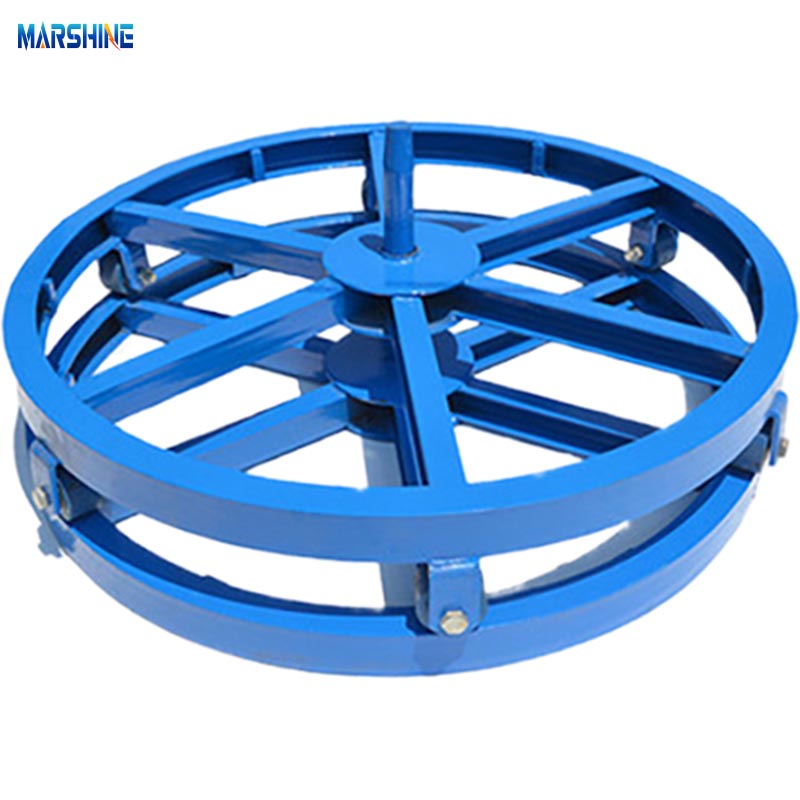
Why Do So Many Cable Projects Run Into Trouble Before Pulling Even Starts?
I have seen many projects lose time before the first meter of cable is even laid. In most cases, the problem is not complicated. The reel may be too heavy to position efficiently. The support may wobble on uneven ground. Workers may struggle to keep cable pay-off smooth. In the worst situations, the cable bends badly, drags on the surface, or unwinds in an uncontrolled way.
These are the issues I always try to prevent:
- Reels that are difficult to lift and position safely
- Uneven or jerky cable pay-off that wastes labor time
- Cable surface damage caused by dragging or poor support
- Project slowdowns caused by repeated manual adjustments
- Safety risks when large reels shift during operation
Once I look at those problems honestly, it becomes clear why choosing the right Cable Reel Jack Stands matters so much. A poor support system creates more manual effort, more safety concerns, and more unnecessary wear on expensive cable.
What Makes Cable Reel Jack Stands More Than a Simple Support Tool?
I do not judge this kind of equipment by appearance alone. What matters to me is whether the stand solves real operational problems. Good Cable Reel Jack Stands should not only hold a reel. They should help a team control movement, maintain stability, and reduce wasted handling time.
What I value most includes:
- Stable structural support for different reel sizes
- Smooth reel rotation during unwinding or rewinding
- Easy setup and dismantling on active job sites
- Portable design for teams that move from site to site
- Safer handling of heavy cable drums with less strain on workers
That is exactly where properly engineered Cable Reel Jack Stands stand out. They help me turn a rough handling process into a more controlled and repeatable one. Instead of forcing workers to fight the reel, the equipment lets the reel move the way it should.
Which Product Advantages Actually Matter When I Compare Different Stand Designs?
When I compare one solution with another, I focus on practical details rather than marketing language. A stand may look heavy-duty on paper, but if it is difficult to transport or slow to adjust, it may not fit a real field operation. I prefer product advantages that show up in daily use.
| Feature | Why I Care About It | Practical Value on Site |
|---|---|---|
| Adjustable support structure | It helps match different reel sizes and working conditions | Less equipment mismatch and smoother setup |
| Stable load-bearing frame | I need confidence when handling large and heavy reels | Better safety and reduced risk of reel shifting |
| Smooth rotating mechanism | Controlled pay-off protects cable and saves labor | Cleaner unwinding and fewer handling interruptions |
| Portable or foldable structure | Teams often move equipment between locations | Faster transport and easier storage |
| Quick adjustment or release design | I do not want technicians wasting time on minor changes | Higher job-site efficiency |
| Anti-slip or stable contact support | Ground conditions are not always ideal | Improved control and safer operation |
To me, these benefits are what make Cable Reel Jack Stands worth careful selection. The right stand reduces downtime, lowers cable handling risk, and helps teams maintain a cleaner workflow from setup to final pull.
How Do I Know Whether a Stand Will Improve Efficiency Instead of Adding Another Step?
I always ask a simple question before recommending equipment. Will this save time in the field, or will it become one more thing the crew has to manage? A good stand should speed up work from the moment it arrives on site.
Here is how I usually evaluate efficiency:
- Can one team position the reel without excessive manual effort?
- Can the reel unwind smoothly without repeated correction?
- Can operators adjust the stand quickly when reel size changes?
- Can the unit be moved and stored without occupying too much space?
- Can the setup reduce cable drag, tangling, or sudden reel movement?
If the answer is yes to most of these questions, I know the stand brings real value. That is why I see Cable Reel Jack Stands as a productivity tool as much as a support tool. They help convert cable handling from a physically awkward task into a more controlled process.
What Problems Can the Right Cable Reel Jack Stands Help Me Avoid?
In my experience, buyers often focus on load capacity first, and that makes sense, but they sometimes miss the hidden costs caused by a poor stand choice. A stand that only looks acceptable in a catalog may create expensive problems in daily use.
These are the problems I try to avoid by choosing the right model:
- Damaged cable jackets caused by unstable pay-off
- Extra labor caused by constant repositioning of the reel
- Installation delays when crews cannot maintain a steady working pace
- Unsafe handling of oversized reels in busy job environments
- Storage and transport inconvenience between projects
When I break it down like that, the return is obvious. Good Cable Reel Jack Stands help protect both the cable and the schedule. That matters whether I am supporting utility work, telecom installation, industrial cable deployment, or construction-based laying operations.
Which Stand Type Fits Different Project Conditions Best?
I never assume that one design suits every project. Small indoor work, roadside cable laying, utility installation, and heavy industrial deployment all create different demands. I prefer to match the stand type to the actual working condition instead of buying on price alone.
| Project Condition | What I Usually Need | Preferred Stand Direction |
|---|---|---|
| Light or medium-duty cable laying | Simple setup and easy movement | Portable stand with efficient adjustment |
| Frequent site transfer | Compact transport and fast assembly | Foldable or modular structure |
| Heavy cable reel handling | High stability and safer lifting support | Reinforced or hydraulic-assisted design |
| Precise unwinding work | Smooth and controlled rotation | Rotating platform or reel-support system |
| Mixed reel sizes across projects | Flexible height or width adaptation | Adjustable support arrangement |
This is one reason I appreciate suppliers that understand application diversity. A stronger product line gives buyers more room to choose a truly suitable Cable Reel Jack Stands solution rather than forcing every project into the same setup.
How Can I Choose a Supplier Without Making a Costly Procurement Mistake?
I think buyers should evaluate more than the unit price. In cable installation work, cheap equipment often becomes expensive once delays, labor waste, and cable damage begin to appear. I prefer to work with suppliers who understand field use, not just factory output.
When I review a supplier, I usually look for these points:
- Whether the product range covers different load and application needs
- Whether the design clearly addresses transport, setup, and safety concerns
- Whether customization or OEM support is possible for special operating demands
- Whether the supplier understands utility, telecom, and industrial usage scenarios
- Whether communication is clear enough to reduce procurement uncertainty
That is why the manufacturer background matters. When a company such as Ningbo Marshine Power Technology Co., Ltd. is introduced naturally through its practical cable handling product range, I pay attention not only to the product itself but also to its understanding of real work conditions. That kind of alignment makes the selection process more reliable.
Why Do I Believe Better Cable Reel Jack Stands Create Long-Term Value Instead of Just Short-Term Convenience?
I do not look at this equipment as a one-time purchase decision. I look at it as part of a larger operating system. If a stand reduces cable damage, improves pay-off control, lowers manual strain, and speeds up deployment, the value continues across project after project.
Long-term value usually appears in these areas:
- Reduced replacement risk caused by poor cable handling
- More consistent workflow for field teams
- Lower safety pressure during reel setup and operation
- Better use of labor hours on demanding installation schedules
- Greater confidence when dealing with varied reel sizes and project conditions
That is the real reason I keep coming back to Cable Reel Jack Stands as an important procurement category. They influence efficiency, cable protection, and operational safety all at once. For me, that is not a minor detail. It is a decision that affects the whole project rhythm.
What Should I Do If I Want a More Reliable Cable Handling Solution for My Next Project?
If I am planning a cable installation project and I already know that reel stability, safer support, and smoother pay-off will affect the job outcome, I do not wait until site problems appear. I look for a solution earlier, compare the real structural advantages, and choose equipment that matches the working condition. If you are also looking for dependable Cable Reel Jack Stands that can support efficiency, safety, and easier cable management, now is the right time to act. Contact us to discuss your application, send your project requirements, or request a suitable product recommendation from Ningbo Marshine Power Technology Co., Ltd.. We welcome your inquiry and would be glad to help you find the right solution for your next job.